Nature remedies for Stress and Anxiety

We all have times when stress, anxiety, and sleeplessness enter our lives. Here are traditional herbal remedies to help. First calm thyself. If gardening or another relaxing activity doesn't calm your nerv...

Nature remedies for Insomnia and Trouble Sleeping

Getting enough shut-eye? Most adults need at least 8 hours of sleep every night. If you have insomnia, here are tips for a better night's sleep.

Nature remedies for Cold

What can we do to help our bodies through the process healing a cold? Here are some herbal remedies for your body and mind.

Nature remedies: Make Your Own Natural Toothpaste

Most toothpaste contains sugar, fluoride, artificial colors, and other harmful ingredients that are best avoided. Instead of using the toxic commercial varieties, why not make your own? It’s simple and quic...

Nature remedies: 13 Reasons to Drink Green Tea

Green tea really is a superfood extraordinaire. Thanks to a potent plant nutrient called epigallocatechin gallate, or EGCG, green tea is proving that food (or beverage, in this case) really is the best medicin...

Prikazani su postovi s oznakom Health Tips. Prikaži sve postove

nedjelja, 30. lipnja 2013.

Nature's remedies: Eat Fat To Burn Fat

 http://goodrelaxation.com/wp-content/uploads/2012/03/foods-that-lose-belly-fat-vegetables.jpg
For a long time, we thought avocadoes were good for nothing but ready-made guac and a decent California burger every now and then. But these little nutritional hand grenades were having an explosive impact on our diets for all that time. How so? They’re infused with a key nutrient for maintaining healthy weight: fat.

Wait…fat can help us maintain our weight? Fat doesn’t make us fat? In a word: exactly.

Fat is not something to avoid. For starters, it’s essential for normal growth and development. Dietary fat also provides energy, protects our organs, maintains cell membranes, and helps the body absorb and process nutrients. Even better, it helps the body burn fat, says nutritionist and owner of Nutritious Life meal system, Keri Glassman, RD, who recommends that about a third of any weight-loss plan’s calories come from dietary fat.

Before you grab a deep-fried hot dog, consider this: not all fatty foods are created equal. The foods you choose can mean the difference between a trim body and one plagued with obesity and disease, Glassman says. While a diet of stereotypically fatty foods like pizza, French fries, and hamburgers can contribute to weight gain and deterioration of health, the dietetic community is learning that the overall nutritional content of these foods—not their saturated fat—is what’s to blame. Sure, research from 50 years ago found that saturated fatty acids, a type of fat that’s “saturated” with hydrogen and typically solid at room temperature, raised LDL (bad) cholesterol levels.

But a reevaluation of that research has shown that they raise HDL (good) cholesterol just as much, if not more, protecting the body from unhealthy cholesterol levels and heart disease, says nutritionist and national spokesperson for the American Dietetic Association Tara Gidus, RD. “Instead of making any one thing in the diet a villain, we need to look at total caloric content as well as quality of food, what are we eating that is ‘good’ and helping our body’s immune system and cells to stay healthy.”

Most of the fat that you eat—especially if you want to lose weight—should come from unsaturated sources, both monounsaturated (MUFA) and polyunsaturated (PUFA), Glassman says. Why? These good-for-you foods (like fish, seeds, nuts, leafy vegetables, olive oil, and, of course, avocadoes) pack tons of nutrients. Besides removing LDL cholesterol from arteries and promoting a healthier heart, unsaturated fat can help you burn fat big time without cutting calories. A 2009 study in the British Journal of Nutrition, found that participants who consumed the most unsaturated fatty acids have lower body mass indexes and less abdominal fat than those who consumed the least. Why? The unsaturated folks ate higher-quality foods.

Not long ago, the low-fat/no-fat diet craze swept across the food landscape. Manufacturers marketed low-fat and no-fat everything, and consumers responded by chowing down. It’s healthy, right? Wrong. All wrong. Besides stripping our bodies of a much-needed nutrient, low- and no-fat diet movements have increased obesity rates. Why? It turns out that fat provides a big component to the foods we love: Taste. When food manufacturers removed fat from their foods, they had to load the foods with sugar and salt, which are nutrient-free, to increase flavor. For example, the second most prevalent ingredient Kraft Fat-Free Catalina salad dressing, for instance, is high fructose corn syrup, packing 7g of sugar per serving. And just one ounce of the saucy stuff packs 350mg of sodium—that’s 15% of your recommended daily value—and who eats just one “serving,” anyway?

And that’s just the start. Here are other crucial ways fat can help you slim down:
“Instead of making any one thing in the diet a villain, we need to look at total caloric content as well as quality of food, what are we eating that is ‘good’ and helping our body’s immune system and cells to stay healthy"
Tara Gidus, RD and national spokesperson for the American Dietetic Association

Fat Burns Fat

The body needs three macronutrients for energy: Carbohydrates, protein, and fat. A gram of fat packs more than twice the energy of a gram of the other two. “When you don’t have any fat in your diet its like you don’t have fuel to burn calories,” Glassman says. The body requires energy to keep its metabolism properly functioning, and a 2007 study published in the American Journal of Clinical Nutrition found that consuming fatty acids can boost metabolic health.

What’s more, “old” fat stored in the body’s peripheral tissues—around the belly, thighs, or butt (also called subcutaneous fat)—can’t be burned efficiently without “new” fat to help the process, according to researchers at Washington University School of Medicine in St. Louis. Dietary fat helps break down existing fat by activating PPAR-alpha and fat-burning pathways through the liver.

Think of mealtime like baseball spring training: young, hungry players (new fat) hit the field and show the general manger (the liver) that it’s time to send the old, worn-out players (subcutaneous fat) home. And away they go.

Fat Keeps You Full

Fat isn’t the easiest nutrient to digest, so it sticks around in the digestive system for more time than many other nutrients. MUFAs may also help stabilize blood sugar levels, according to Mayo Clinic. That means you feel full longer, and you won’t feel the stomach-growling urge to raid the refrigerator after mealtime.

In fact, diets with high amounts of omega-3 fatty acids, a type of MUFA that the body can only acquire through food, create a greater sense of fullness both immediately following and two hours after dinner than do meals with low levels of the fatty acids, according to a 2008 study from University of Navarra in Pamplona, Spain. It’s no surprise that dieters who consume moderate levels of fat are more likely to stick with their eating plans than dieters who consume low levels of fat.

The result? More weight lost.

Fat Makes You Happy

Everyone says that dieting, not to put too fine a point on it, stinks. Eating yummy foods makes you happy, and it turns out low-fat versions just don’t do the trick for one surprising reason: We can taste the fat—not just the salt, sugar, and other goodies in food.

Recent research from Purdue University shows that our taste buds can detect fat in food, which helps explain why low-fat foods don’t curb our fat cravings. According to the research, fat may be an entirely different basic taste than what we’ve long considered the four mainstays: sweet, salty, sour, and bitter. On an even happier fat note, omega-3 fatty acids can boost serotonin levels in the brain, helping to improve mood, increase motivation, and keep you from devouring a large pizza like it’s your job. 3.5% of women and 2% of men have suffered from diagnosed binge-eating disorders, while millions more people are occasional emotional eaters, according to the National Institutes of Mental Health.

Fat Builds Muscle

“Eating good fats along with an effective exercise program can increase muscle,” says trainer and owner of Results Fitness, Rachel Cosgrove, CSCS, who notes that increasing muscle mass is vital to increasing metabolism and burning calories both in and out of the gym. In a 2011 study published in Clinical Science, researchers examined the effects of eight weeks of PUFA supplementation in adults ages 25 to 45 and found that the fat increases protein concentration and the size of muscular cells in the body. Previous studies have found that omega-3 fatty acids stimulate muscle protein synthesis in older adults and can mediate muscle mass loss due to aging.

Fat Makes Food Better For You

Many nutrients including vitamins A, D, E, and K are fat-soluble, meaning that the body can’t absorb them without fat. If your body isn’t absorbing nutrients properly, that can lead to vitamin deficiencies and bring on dry skin, blindness, brittle bones, muscle pains, and abnormal blood clotting, according to Gidus.

These vitamins are also key to maintaining energy, focus, and muscle health, all of which contribute to a healthy weight. Vitamin E, for example is a powerful antioxidant and helps maintain your metabolism, while the body’s levels of vitamin D predicts its ability to lose fat, especially in the abdominal region, according to a clinical trial from the University of Minnesota Medical School. So while you can pile your salad high with nutrient-rich spinach, tomatoes, and carrots, you really need to thank the olive oil for sending the salad’s vitamins your way.
srijeda, 26. lipnja 2013.

Nature's remedies For Diarrhea

When stools are loose and watery in nature and without consistency, the problem is defined as diarrhea. It is an effective way for the body to get rid of any undesirable substance that may have entered the body. When a person suffers from diarrhea he or she can also experience symptoms such as frequent bowel movement, vomiting, stomach pain, thirst, fever, nausea, loss of appetite and dehydration. Some of the common causes of diarrhea are stress or anxiety, some kind of infection caused by virus or bacteria, consumption of infected food or water, food allergy, excessive intake of alcohol, side effect from some medicines and so on.
Diarrhea
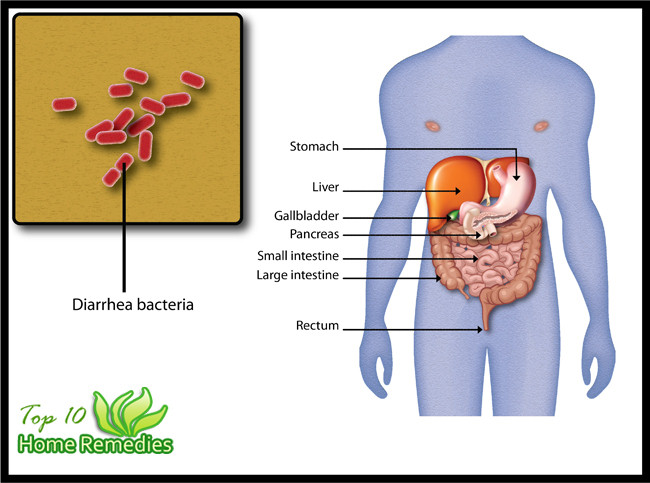
See the above diagram of the human gastrointestinal tract to understand diarrhea in a better manner. Diarrhea happens when more fluid passes through the large intestine (colon) than that organ can absorb. In normal condition, the colon can absorb several times more fluid than is required on a daily basis. Generally diarrhea is caused by bacteria, parasites, or viruses that enter the intestine through food or water and attacks the lining of the digestive system and damages it. This makes the intestines unable to absorb fluid from the contents of the bowel and the bowel move through the digestive system too quickly. Diarrhea can be acute, which lasts one or two weeks, and chronic, which continues for longer than two to three weeks.
Be it acute or chronic diarrhea, it is often regarded as an unpleasant condition and can hugely affect your day to day life activities. But there is nothing to worry about. To get rid of the symptoms associated with diarrhea you can try some easy and simple home cures. For diarrhea home cures you need some common household ingredients and you even do not have to worry about side effects.
Here are top 10 home remedies for Diarrhea.
  1. Water

    Staying hydrated is one of the most important things that you need to focus on while suffering from diarrhea. This is mainly because your body loses liquids and electrolytes which can cause dehydration. You can solve the problem easily by drinking plenty of fluids. The best option here is to drink eight to twelve glasses of water daily. For better result add half teaspoon of salt and four teaspoons of sugar into one liter of water and then drink it from time to time. At the same time you can also drink green tea, fruit juices, vegetable juices and even sports drink. Also you must stay away from caffeine and alcohol.
  2. Brown Rice

    You can also consume brown rice to control the symptoms of diarrhea. The high amount of starch and B vitamins present in brown rice can help a lot to reduce the amount of fluid lost, restore intestinal flora and make the stool less watery. This in turn will help to fasten up the healing process. Take half a cup of brown rice and boil it in three cups of water for about forty five minutes. Once done, you can eat the rice by adding little salt to it and then drink plenty of the water. For the treatment of diarrhea it is highly recommended to use brown rice instead of white rice.
  3. Yogurt

    Eating yogurt that contains ‘live cultures’ is another effective way to deal with the symptoms associated with diarrhea. ‘Live cultures’ are friendly bacteria that provide a layer of protection in the intestines and help to generate lactic acid to flush out bacterial toxins from within the body. You can eat yogurt as it is or make a smoothie and then have it. You can eat yogurt several times a day. However, health experts say that you should not begin to eat yogurt until the stomach calms down, as consumption of dairy products too early can worsen your condition.
  4. Bananas

    Banana can also be consumed to solve the problem of watery stool. Pectin present in banana is a kind of soluble fiber that helps to absorb liquid in the intestines and thus solve the problem of watery stool. At the same time the high level of potassium present in banana helps to replace electrolytes that may be lost while suffering from diarrhea. Take one mashed ripe banana and add one teaspoon of tamarind pulp and a pinch of salt to it and mix it properly. Have this mixture twice daily to settle an upset digestive system. At the same time it is always a good idea to have one or two ripe banana for breakfast.
  5. Potato

    Potato is another starchy food that can be used in the treatment of diarrhea. You must frequently consume plain boiled potatoes as it will help to restore the lost nutrients and comfort your upset stomach. Another option is to cook white rice and potatoes together in plenty of water until it has a thick consistency. Then consume it by adding little salt to it. You can have this simple dish for lunch or dinner. When suffering from diarrhea, do not make the mistake of eating French fries or fried and spicy potatoes as it will worsen your condition.
  6. Orange Peel Tea

    Orange peel tea is another home remedy that can help to control the symptoms associated with diarrhea. For making a cup of orange peel tea, you need to first wash the orange properly to remove any pesticide content and then remove the peel and gently chop it. Put the chopped orange peel in half cup of boiling water and allow it to steep for some time. Once cooled, add some honey or sugar to sweeten it and then have it. This tea will help in the digestion process. You can drink this tea two to three times a day.
  7. Chamomile

    Chamomile is often used in the treatment of various intestinal disorders including diarrhea. The antispasmodic property along with high amount of tannins present in chamomile can give huge relief from the symptoms of diarrhea. To make chamomile tea, take one teaspoon of chamomile flowers and one teaspoon of peppermint leaves and put them in a cup of boiling water. Allow it to steep for about fifteen minutes. Have this herbal tea at least three times a day to fasten up the healing process. You can also make a cup of chamomile tea from packaged tea bags.
  8. Blueberries

    Blueberries contain an element known as anthocyanosides, which have antibacterial as well as antioxidant properties. At the same time blueberries also contain high amount of soluble fiber pectin which can help a lot in dealing with the symptoms associated with diarrhea. The best option here is to chew dried blueberries several times a day. This will help to kill the germ causing diarrhea. Else you can make a cup of tea by boiling crushed dried blueberries in one cup of water for about ten minutes. Drink this tea several times a day. You can also make soup with dried blueberries to control your upset stomach.
  9. Ginger

    As ginger is simply good for your digestive system, you can always use it in the treatment of diarrhea. You can use dry ginger or fresh ginger to make a cup of ginger tea. When ginger tea is consumed two to three times a day, it eases the cramps and abdominal pain that sometimes accompany diarrhea. Another option is to take equal amount of ginger juice and lemon juice and crush some pepper into it. Consume this solution at least three times a day to get rid of diarrhea quickly. You can also take ginger in capsule form or try foods such as gingersnap cookies, gingerbread, or ginger ale. Those suffering from high blood pressure should not try these remedies for diarrhea.
  10. Fenugreek Seeds

    Due to high mucilage content present in fenugreek seeds it is also considered a useful natural cure for diarrhea. When you eat fenugreek seeds you will have bulkier stool and there will be significant improvement in the severity and discomfort of diarrhea. Take half a teaspoon of fenugreek seeds and grind it with little water. Drink this solution to get immediate result from the symptoms of diarrhea. Another option is to mix half teaspoon of powdered fenugreek seed in one glass of water and drink it immediately. It is essential to bear in mind that these remedies are not for small children suffering from acute or chronic diarrhea.

Nature's remedies: Maggots Better Than Antibiotic in Treating Foot Ulcers

University of Manchester researchers have discovered that maggots rid diabetic patients of an antibiotic-resistant infection called methicillin resistant staphylococcus aureus (MRSA). You may be surprised to learn that this is not new as medical use for maggots has a very rich and long history.
maggots

Maggots: The World’s Smallest Surgeons

According to Professor Boulton, the lead author who published the results of the maggot study in the journal Diabetes Care,
“Maggots are the world’s smallest surgeons. In fact they are better than surgeons – they are much cheaper and work 24 hours a day,” Professor Boulton jokes. “They have been used since the Napoleonic Wars and in the American Civil War they found that those who survived were the ones with maggots in their wounds: they kept them clean. They remove the dead tissue and bacteria, leaving the healthy tissue to heal. Still, we were very surprised to see such a good result for MRSA. There is no reason this cannot be applied to many other areas of the body, except perhaps a large abdominal wound.”

Maggot Therapy

The medical benefits of maggots are astounding. History tells us that the use of medicinal maggots (“Maggot Debridement Therapy”) was first used during the time of Napoleon. Since scientific studies on medicinal maggot first began in the 1920s, it has been discovered that maggots help clean dirty and necrotic wounds by feeding on the dead tissue while leaving the healthy tissue unaffected. During the 1930s, thousands of surgeons used maggots to treat infected wounds such as abscesses, burns and infections.  After penicillin hit the scene, medical doctors began to steer away from maggot therapy in the 1940s.

Antibiotic-Resistant Bacteria

According to the Journal of Diabetes Science and Technology, “The medical literature is rapidly growing with scientific evidence demonstrating the efficacy and safety of maggot therapy for a variety of problematic wounds.” Particularly, with the advent of antibiotic-resistant bacteria physicians are returning to maggots as a viable therapeutic option.
Increasing strains of bacteria are developing resistance to antibiotics that were once commonly treated with penicillin. The most pressing issue with antibiotic resistance is that bacteria are becoming resistant to most antibiotics on the market and infections by these bacteria may prove fatal. Examples include methicillin-resistant Staphylococcus aureus (MRSA), vancomycin-resistant Enterococcus (VRE) and Mycobacterium tuberculosis (MDR-TB).

3 Ways to Protect Yourself From Antibiotic-Resistant Bacteria

  1. Minimize unnecessary antibiotics. Remember, antibiotics do not work against viruses; they are only effective in treating bacterial infections. Although your physician may prescribe them, treat antibiotics as a last-resort.
  2. When you do take an antibiotic, be sure to complete the entire course of the prescription so that it can be fully effective and not breed resistance.
  3. Practice good hygiene and eat a natural diet full of local, organic fruits and vegetables to support immune function.

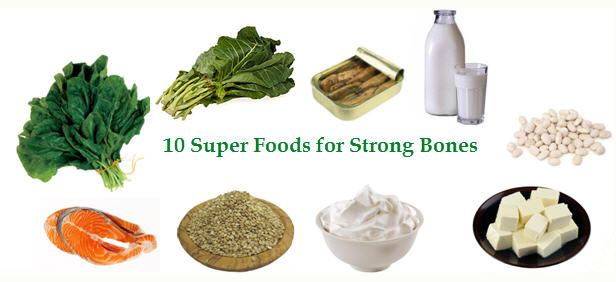
Nature's remedies: 10 Super Foods for Strong Bones

A healthy set of bones provides structure to the body and at the same time it gives protection to the internal organs and anchors the muscles. At the same time, strong bones are required for good posture, balance and strength. To enjoy strong bones, certain key nutrients are required such as calcium, phosphorus, vitamins, beta-carotene, fiber, magnesium, proteins and minerals. There are many healthy foods that promote healthy and strong bones and reduce the chance of achy joints, inflammation, arthritis and so on.
So, if you wish to have strong bones throughout your lifetime, then it is very essential to keep a close eye on your diet plan. When you eat the right type of foods, you can definitely enjoy better bone mass and bone density at any age.
Here are top 10 super foods for Strong Bones.
Super foods for strong bones

  1. Salmon

    Salmon is a kind of fatty fish that contains a wide range of bone-boosting nutrients such as calcium, protein, vitamin D and omega-3 fatty acids. Both vitamin D and omega-3 fatty acids help to increase the absorption of calcium in the body. Regular consumption of salmon helps to improve bone density and bone accumulation. At the same time salmon is also good for the heart. Salmon can be grilled, poached or baked and you can easily incorporate it into a wide variety of healthy dishes.
  2. Milk

    Calcium is the most essential element for strong bones and the best source of calcium is undoubtedly milk. Along with calcium, milk also contain useful nutrients such as potassium, magnesium, riboflavin, phosphorus and Vitamins D, A and B12. All these nutrients are important for healthy bones. An adult person must consume two glasses of milk daily. When it comes to children and teenager they must consume more milk. Depending upon your preference level, you can choose skim, low-fat, or whole milk. Those who do not like the taste of milk can have it by blending it into a smoothie or sauce.
  3. Cheese

    Cheese is loaded with good amount of calcium, along with Vitamins D, A, B12, potassium, magnesium, riboflavin, phosphorus and protein. All these nutrients are necessary to enjoy strong bones. Also as cheese is low in lactose, those who are lactose intolerant can also have it. When it comes to cheese there are different varieties available in the market such as cheddar, Swiss, mozzarella, goat cheese, Parmesan and cottage cheese. Regular consumption of small amount of cheese will give your body a healthy set of bones.
  4. Yogurt

    Yogurt contains a good amount of calcium and experts say that one cup of yogurt daily is enough to fulfill the calcium requirement of the body. In addition to calcium, yogurt also contains a good amount of Vitamins D, A, B12, potassium, magnesium, riboflavin, phosphorus and protein. If you wish to have strong bones, avoid eating Greek yogurt varieties as they are high in protein content and generally do not contain adequate levels of vitamin D and often have less calcium as compared to traditional yogurts. Those who are health conscious can choose fat-free plain yogurt.
  5. Sesame Seeds

    For healthy bone structure, you must also regularly eat sesame seeds which are available throughout the year. Sesame seeds have a nutty flavor and contain various nutrients such as calcium, magnesium, phosphorus and vitamin K and vitamin D. You must daily consume at least one forth cup of these crunchy seeds, in roasted or dried form. You can also sprinkle some sesame seeds on cooked vegetables, toss them into your favorite salad, and add them to stir-fry vegetables. If you do not like the taste of sesame seeds then you can also try sesame butter. Along with sesame seeds you must also include flaxseeds in your diet plan.
  6. Collard Greens

    This leafy green vegetable contains a good amount of calcium along with magnesium, omega-3 fatty acids and Vitamin K. All these nutrients are essential to bone health. At the same time the anti-cancer, anti-diabetic, and anti-bacterial properties present in collard greens provide a variety of other health benefits also. One cup of cooked collard greens contains more than one forth of your daily calcium requirement. The best way to consume collard greens is to lightly steam them with fresh garlic and onions. You can also add this leafy green vegetable in salad and soup.
  7. Spinach

    Spinach is another easily available vegetable that is high in calcium content. Along with calcium, spinach also contains a good amount of fiber, iron, potassium, magnesium and vitamin A and vitamin C. Just one cup of cooked spinach can provide one fourth of your daily calcium needs. There are different ways to cook this dark green leafy vegetable as it can be grilled, boiled, frozen, canned or eaten raw depending upon how you like to eat it. It makes a good addition to salads, sandwiches and appetizers. Along with spinach, you must also try to eat Chinese cabbage, kale, broccoli and cauliflower to enjoy better bone health.
  8. White Beans

    White beans are also one of the best super foods for healthy bones. This legume contains a good amount of calcium, fat free protein, fiber and essential minerals like magnesium, phosphorus and potassium. All these nutrients are essential for bone health. Depending on the type of white beans you choose, one cup of cooked beans can provide a good amount of calcium that prompts healthy strong bones. You can include white beans in soups, salads, stews, bean spreads, casseroles, and baked vegetables. Along with white beans you must also try to eat pinto beans, navy beans and black beans.
  9. Tofu

    Tofu is a kind of soy food that contains a very good amount of calcium and plant-based chemicals called isoflavones that are important to promote healthy and strong bones. Half cup of tofu contains more than 800 milligrams of calcium. So, you must regularly eat tofu and other soy-containing foods to increase your calcium intake. Also tofu is a popular choice of people who are lactose intolerant, and do not prefer to consume dairy products, or who want something delicious, nutritious, and different. Whether you get it plain or get it cooked, tofu is a healthy choice for your bones.
  10. Sardines

    Another excellent source of calcium and Vitamin D is sardines. In fact, sardines contain good amount of calcium and vitamin D per serving as compared to milk and dairy products. Along with calcium, sardines also contain a good amount of omega-3 fatty acids, phosphorus and vitamin B12. As these little fish are perishable in nature, the most common way to enjoy sardines is from a can. The canned sardines can be added to pizza, salads or any mashed dish. In many places sardines are also available in fresh form and they can be easily added to salads, pastas and sauces.

Nature's remedies: 10 Super Foods To Fight Stress

Due to hectic lifestyle, many people experience stress and it is a known fact that stress is not good for health. In fact, too much stress in life can cause negative effects on your body, mood and behavior. It can even lead to both short and long-term physical problems such as impaired memory, learning abilities, high blood pressure, coronary heart disease, osteoporosis and a poorly functioning immune system. This is one reason why people look for ways to fight stress.
The best way to fight stress is it to find out the cause behind it and then try to resolve it. At the same time regular exercise, massage and yoga can help to reduce stress levels. However, very few people know that there are certain foods that can also help to combat stress. You just need to eat these foods whenever you are in stress and soon you will feel more relaxed.
Here are top 10 super foods to fight stress.
superfoods for stress
  1. Green Tea

    Green tea contains powerful antioxidants such as polyphenols, flavonoids and catechins. All these antioxidants help a lot in creating positive mood due to their calming effect on the mind and body. Those who drink at least five cups of green tea per day can enjoy better health and mood as compared to those who do not drink less tea. Next time whenever you are in stress, take out some time to enjoy a cup of green tea. Those who do not like green tea can also opt for black tea. The positive impact of green tea will be more amongst people who do not drink alcohol and smoke cigarette.
  2. Blueberries

    Blueberries contain plenty of antioxidants that help a lot to reduce the stress level. Blueberries also contain Vitamins C and Vitamin E along with minerals like magnesium and manganese, which are helpful in reducing stress. Regular consumption of blueberries also helps a lot in dealing with depression, insomnia and other mood disorders. As blueberries are rich in fiber content and low in calorie level, this fruit can also be consumed by those who wish to lose weight. You can try blueberries as it is or try them with cottage cheese and add them to a healthy plate of fruit salad. Along with blueberries, cranberries can also help a lot to reduce stress.
  3. Milk

    Those who regularly consume milk feel less stressed. One glass of skim milk provides your body with the good amount of antioxidants along with vitamin A, vitamin D, calcium and protein. All these nutrients help to fight the free radicals that get released when you are in stress and help you to calm down soon. The best way to start the day is to have a bowl of whole-grain cereal with low-fat milk. This is regarded as the best stress-fighting breakfast. Also try to drink a glass of warm milk before going to bed to enjoy better sleep. Those who do not like milk can eat milk products such as cottage cheese and yogurt.
  4. Spinach

    Dark green vegetable like spinach is rich in Vitamins C, A and B-vitamins. At the same time spinach also contains a good amount of minerals like calcium, potassium, magnesium and phosphorus which help a lot to reduce stress hormones in the body and stabilize the mood. One cup of spinach daily can have relaxing, calming effects on the body and help your body to fight against stress. There are many easy ways to include spinach in your diet. You can add this green leafy vegetable in your omelet, wrap, and sandwich or eat it in the form of a salad.
  5. Almonds

    Nuts especially almonds are high in Vitamin E, Vitamin B, magnesium, zinc and healthy oils. At the same time almonds are a great source of fiber. You can eat almonds in raw or roasted form as a healthy snack. Also you can include almonds in desserts and baked food items. Along with almonds you can also eat walnuts and pistachios to lower your stress hormones, reduce blood pressure and boost your energy level.
  6. Dark Chocolate

    It has been found that eating about an ounce and a half of dark chocolate daily can hugely reduce the level of stress hormones present in the body. This happens because dark chocolate contains magnesium, which is a mineral that can help to fight against stress, fatigue, depression and irritability. The best part about dark chocolate is that most of us like it and can be consumed in different ways. Whenever you feel stress, immediately eat some dark chocolate and soon it will boost your mood and reduce the stress level. If you like you can also try a warm glass of chocolate milk or any kind of dessert having dark chocolate to fight stress.
  7. Salmon

    Salmon is a kind of cold water fish that contains a good amount of omega-3 fatty acids, a kind of strong anti-inflammatory agent. Omega-3 fatty acids boost happy brain chemicals like serotonin and regulate stress hormones like cortisol and adrenaline. At the same time omega-3 fatty acids help brain cells to function more efficiently. You must eat two or three servings of salmon per week. Along with salmon, you can also eat other oily fish such as mackerel, tuna and sardines. If required you can take daily omega-3 fatty acid supplement after consulting your doctor.
  8. Oranges

    Oranges are high in Vitamin C that help boost your immunity and it is also an antioxidant, which fights the free radicals that get release when you are in stress. At the same time oranges have significant amounts of Vitamin A and the B vitamins as well as different types of healthy minerals which are good for overall health. The best way to enjoy the benefits of nutrients present in oranges is to drink a glass of fresh orange juice daily. Else you can include oranges in desserts and various baked food items. Along with oranges, you must also eat other citrus fruits.
  9. Brown Rice

    Brown rice contains a good amount of B-vitamins, which are extremely important in maintaining cells, tissues and organs. These type of vitamins also help a lot in biochemical reactions involved in energy, brain function, healthy red blood cells, immunity, and cardiac function and so on. When the body gets adequate amount of B-vitamins then there will be less stress in your life and also you do not have to suffer from different types of mood disorders. Next time when you experience irritability and moodiness try to eat brown rice products and soon you will feel better.
  10. Avocado

    Avocado contains a good amount of minerals, protein, vitamin C and vitamin E. Also it is high in fiber, potassium and healthy fat. All these nutrients help to regulate the stress hormones in check by keeping nerves and brain cells healthy. Daily consumption of one avocado will significantly lower down your blood pressure level and reduce the stress hormone level. You can eat avocado as it is or add it to your favorite fruit salad plate or smoothie. For better result, try to eat fresh avocado instead on the packaged version.

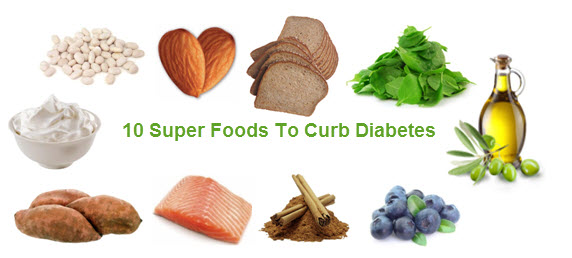
Nature's remedies: 10 Superfoods To Curb Diabetes

Diabetes is a kind of disease that gradually affects your entire system and almost every organ of your body like your kidneys, eyes, heart etc. Even though there are many medicines that can control your blood sugar level, it is essential to understand that food is really your best medicine. In fact, one of the leading factors behind the development of Type 2 Diabetes along with many other chronic and degenerative diseases is poor diet.
There is no stage of Type 2 Diabetes that cannot be controlled by making some smart dietary changes. To prevent and control diabetes, there are some Superfoods that can stabilize or even lower your blood sugar level when eaten on regular basis in appropriate portions. These Superfoods have a bigger impact on your blood sugar than others.
Here are top 10 Superfoods to Curb Diabetes.
Diabetis
  1. Beans

    Beans are good source of dietary fiber and are also rich in protein, magnesium and potassium. All these minerals are very important for those who have diabetes and so when planning a diet plan for diabetes it is essential to include them. Beans can slow the digestion process and help to maintain blood sugar level after eating a meal. When it comes to beans you can choose kidney, pinto, navy, white, navy, lima, pinto, garbanzo, soy or black beans depending upon which one you like to eat. You can add beans to soup or salad.
  2. Dark Green Leafy Vegetables

    Dark green leafy vegetables are very low in calories and carbohydrates and contain a good amount of vitamin C, insoluble fiber, magnesium and lots of calcium. All these nutrients are absolutely essential for diabetics as they have virtually no impact on your blood sugar level. Studies show that leafy veggies lower the risk of type-2 diabetes. Those who are diabetic must have two servings of dark green vegetables such as spinach, kale, chard, collard greens, mustard greens and other leafy greens daily in their diet plan.
  3. Berries

    Berries of all kind are packed with antioxidants, vitamins and fiber that can hugely control your blood sugar level and help protect against cancer and heart diseases. You can choose different types of berries like strawberries, cranberries, black berries and so on. In fact berries make a smart substitute when you feel the urge to eat something sweet. You can add fresh berries in cereals and salads, and keep use the dried versions as a healthy snack. You can also use berries to make low sugar desserts for diabetics.
  4. Fish

    Fishes that are high in Omega-3 fatty acids must also be consumed on regular basis by those who are diabetic. At the same time fishes are a good source of protein, and a great substitute for higher-fat meats. Aim to eat fish at least twice a week. Cold water fatty fishes like salmon, sardines, halibut, herring, mackerel, and tuna are good for those who are diabetic. You must eat baked or grilled fish and try to avoid breaded and deep fat fried variety. Those who do not eat fish must take fish oil supplements after consulting a doctor.
  5. Whole Grains

    Whole grain food products contain a wide variety of nutrients including magnesium, chromium, omega 3 fatty acids and folate. Whole grains can help to maintain blood sugar level and can help reduce blood pressure and LDL (“bad”) cholesterol. Whole grains also contain powerful plant chemicals, lignans and flavonoids, which may play a role in preventing heart disease. Thus, those who are diabetic must switch from rice to brown rice and from refined flour to whole wheat flour to enjoy many health benefits.
  6. Nuts

    Nuts contain healthy fats, vitamins, fiber and lots of minerals such as magnesium and vitamin E.9 that can stabilize blood sugar level. Nuts help reduce insulin resistance and help fight heart disease. Those who are diabetic, or those who want to avoid Type 2 diabetes, must eat nuts on regular basis. Nuts of all sorts – walnuts, pecans, almonds, pea nuts and so on are great for controlling blood sugar. The best way to eat nuts is after they have been soaked overnight to release their enzyme inhibitors. Take a hand full of nuts and place them in a bowl of water, leave them to sit over night and in the morning discard the water and then eat the nuts.
  7. Olive Oil

    Olive oil is loaded with antioxidants and monounsaturated fats that reduce the risk of heart disease and help keep blood sugar steady by reducing insulin resistance. Olive oil also helps in losing weight which is very essential for those who are diabetics. When it comes to olive oil you must choose the extra virgin olive oil (EVOO) which is minimally processed and contains more than 30 antioxidant and anti-inflammatory plant compounds. You can add olive oil on salads and use it to sauté meat and veggies.
  8. Yogurt

    Yogurt is rich in protein, Vitamin D and calcium. Several studies have shown that people who eat plenty of calcium-rich foods can easily lose weight and are also less likely to become insulin resistant. Yogurt can also help build strong bones and teeth. Use nonfat plain yogurt and eat as it is or else add it to bowl of fresh fruit. Along with low fat yogurt you can also include low fat milk in your diet plan to control your blood sugar level.
  9. Cinnamon

    There are several components in cinnamon that promotes glucose metabolism and reduces cholesterol. It has been found that in people with diabetes; just half teaspoon of cinnamon powder in a day can significantly decrease fasting blood glucose levels and increase insulin sensitivity. There are many ways to add cinnamon in your diet. You can sprinkle some in your coffee, stir it into your morning oatmeal, or add it to chicken or fish dishes. Else you can soak a medium sized cinnamon stick in hot water to make a refreshing cup of cinnamon tea.
  10. Sweet Potatoes

    Sweet potato is a kind of starchy vegetable that contains the antioxidant beta-carotene along with vitamin A, Vitamin C, potassium and fiber. All these components help lower blood sugar. Those who are diabetic must use sweet potatoes in place of regular potatoes for a lower GI alternative. Whether you like grilled or baked sweet potatoes try to cook then with the skin on, since most of the nutrients are next to it. You can also eat sweet potatoes steamed, broiled or stewed, as a side dish, in salads, soups, casseroles or other dishes.

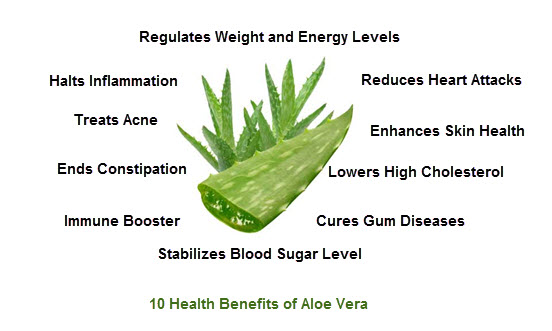
Nature's remedies: 10 Health Benefits of Aloe Vera

Aloe Vera plant is considered to be a miracle plant because of its too many curative and healing health benefits. The leaf of Aloe Vera is filled with a gel containing vitamins like A, B1, B2, B6, B12, C and E, Folic Acid and Niacin. Minerals found in Aloe Vera plant juice are copper, iron, sodium, calcium, zinc, potassium, chromium, magnesium, manganese. All these nutrients have tremendous health benefits when used externally and internally.
Health experts consider Aloe Vera as the most impressive and versatile herb invented by nature. This herb is very safe to use and people from across the globe use this herb for treating various health conditions starting from minor burns to dangerous cancer.
Here are top 10 health benefits of Aloe Vera.
Aloe vera
  1. Immune Booster

    Aloe Vera is full of anti-oxidants which are natural immune enhancers that help to deal with free radicals within the body. Free radicals are the unstable compounds which are bad for the health and contributes to the ageing process. Drinking Aloe Vera juice regularly gives the body a regular supply of anti-oxidants, which can boost and enhance the immune system.
  2. Regulates Weight and Energy Level

    Drinking Aloe Vera juice naturally allows the body to cleanse the digestive system. There are many food substances which can cause fatigue and exhaustion which you can solve by taking Aloe Vera juice. When consumed regularly, Aloe Vera juice also allows energy levels to increase and helps in maintaining a healthy body weight.
  3. Cures Gum Diseases

    Aloe Vera is extremely helpful for your mouth and gums due to its natural anti-bacterial and anti-microbial properties. At the same time it contains vitamins and minerals which promote cell growth and healing of bleeding gums and mouth ulcers. When suffering from a gum disease, just sprinkle some Aloe Vera powder on your toothbrush before brushing and within few minutes you will feel much better. Regular consumption of Aloe Vera juice also helps in  promoting strong and healthy teeth.
  4. Ends Constipation

    Aloe Vera plant juice has natural fibers which helps in digestion and improves the bowel movement. Aloe Vera juice can also be used in treating constipation. When constipated, take aloe Vera juice or gel in order to solve the problem of irritable bowel movement. Remember that after taking aloe Vera it takes about ten hours to get positive results.
  5. Stabilizes Blood Sugar Level

    Aloe Vera juice can lower blood sugar levels in people with Type 2 Diabetes by stabilizing blood sugar level and reducing triglycerides. For better result those who are diabetic must take Aloe Vera juice regularly for three months in order to experience a significant drop in fasting blood sugar levels. Also those who are diabetic suffering from peripheral neuropathy (hands and feet going numb) can also get hugely benefitted from Aloe Vera supplements.
  6. Enhances Skin Health

    Aloe Vera is one of the natural herbs used in skin care products as it soothes the skin, hydrates it, nourishes it and accelerates the regeneration of new skin tissue. By applying fresh Aloe Vera gel on your face you can enjoy well moisturized, glowing and flawless skin. At the same time Aloe Vera can help to get rid of sunburn skin and can be used to treat blisters, insect bites and any allergic reactions, minor burns, inflammations and more. Even those having sensitive skin can also use Aloe Vera without any problem.
  7. Reduces Heart Attacks

    By enhancing your blood quality, you can significant reduce the risk of heart attacks and strokes in coming years. To improve the quality of your blood, you must start eating Aloe Vera. Regular consumption of Aloe Vera stops blood cells from clumping together, which is one of the main reasons behin strokes. When the flow of blood is proper, oxygen and nutrients can reach every last organ and cell in your body. Good amount of oxygen reduces the risk of heart attacks, strokes and high blood pressure.
  8. Treats Acne

    Aloe Vera gel is used in a number of different skin care products that facilitates to treat a wide variety of different skin problems including acne. Acne is a kind of very common skin problem in which the sebaceous glands become more active and inflamed. The anti-inflammatory properties present in Aloe Vera help to get rid of acne and pimples when the gel is applied on the affected skin are twice daily. You can use Aloe Vera skin care products to treat the scars and redness associated with acne.
  9. Halts Inflammation

    Using Aloe Vera externally can ease inflammation of joints, reducing arthritis pain. You can also drink Aloe Vera juice to reduce inflammation throughout the body. People who drink aloe Vera juice for two weeks typically begin to experience a significant reduction of inflammation and pain symptoms. With regular consumption of Aloe Vera juice and application of Aloe Vera gel on the affected skin area you can enjoy a pain free life.
  10. Lowers High Cholesterol

    Few research works also suggest that Aloe Vera gel can lower high cholesterol level. When used internally, the gel improves the quality of the blood and also lowers the high cholesterol level. Also taking Aloe Vera is far safer than using over the counter or prescribed medicines, which have extremely harmful negative side effects on the body. However those having high cholesterol level should take Aloe Vera supplements only after consulting a doctor.

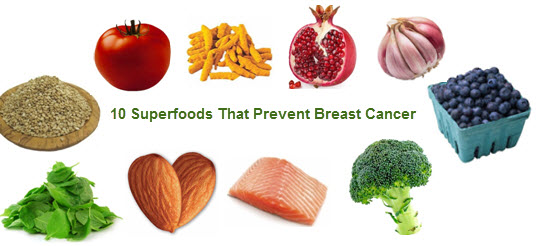
Nature's remedies: 10 Superfoods That Prevent Breast Cancer

Breast cancer is the most common form of cancer and also the deadliest of all cancers.  The World Health Organization (WHO) has predicted that by 2020 the number of breast cancer cases will be much higher. In fact, it is believed that in coming few years one in every eight women would run the risk of developing breast cancer in her lifetime. This figure has been also estimated by the Indian Council of Medical Research (ICMR).
Breast cancer is a complex disease, and many factors contribute to it such as genetics along with lifestyle and dietary factors. However breast cancer can be prevented with certain healthy habits such as limiting alcohol consumption, avoid smoking, controlling your weight, breast feeding, avoiding exposure to radiation and environmental pollution, and limiting the duration of hormone therapy, staying physically active and regular medical checkups. At the same time following a healthy diet plan can also reduce the risk of breast cancer to a great extent. There are certain food items that help to fight malignant cancer cells at the onset and thus help in preventing breast cancer.
Here are top 10 Superfoods that Prevent Breast Cancer.
Cancer
  1. Broccoli

    Broccoli contains cancer-fighting compounds known as indole-3-carbinol. This particular chemical converts the type of estrogen that causes cancer into a more cancer-protective type of estrogen and help in reducing the risk of various types of cancers such as breast, bladder, lymphoma, prostate and lung cancer. Try to eat five portions of broccoli in a day to help protect against breast cancer. Cooked broccoli supply more health benefits than raw broccoli. Along with broccoli, try to include other cruciferous vegetables such as cabbage, kale, and cauliflower in your diet plan in order to reduce the risk of breast cancer.
  2. Salmon

    Salmon is a kind of oily fish that contains a good amount of omega-3 fatty acids which slows down the growth of cancerous tumors and also boosts the immune system. At the same time salmon is also a smart lean protein source along with vitamins B12 and D. All these elements provide your body with the nutrients required to regulate cell growth and prevent cancer. You can eat salmon by steaming it, baking it or grilling it. For better result try to eat three portions of fresh salmon each week. Along with salmon, other oily fishes that can prevent breast cancer are mackerel, sardines, trout, sea bass and tuna. 
  3. Turmeric

    Turmeric contains a substance known as Curcumin that can inhibit various types of cancer cells such as breast, gastrointestinal, lung, and skin cancer. According to various research works it has been found that turmeric helps a lot to prevent breast cancer from spreading to the lungs when combined with certain drug-based therapy. It has several cancer-fighting properties and it actually repairs DNA that has been damaged by radiation. You can enjoy the protective benefits of Curcumin by just adding little bit of turmeric powder to your foods or eat a pinch of raw turmeric with water every morning on an empty stomach.
  4. Blueberries

    Blueberries are power-packed with vitamins, minerals, and antioxidants that can aid in breast cancer prevention. The phytochemicals present in blueberries work together to prevent the growth and spread of various forms of breast cancer. At the same time blueberries are rich in antioxidants such as ellagic acid which has anticancer properties which destroy cancer-causing substances and slow the growth of tumors. Along with blueberries, other types of berries that can prevent breast cancer are strawberries, raspberries, blackberries, blueberries, and cranberries. To reap the benefits of blueberries try to eat them fresh instead of the packaged versions.
  5. Tomatoes

    Tomatoes contain lycopene, a powerful antioxidant that can prevent the development of breast cancer by stopping cancer cell growth. According to the American Institute for Cancer Research, lycopene also stops the growth of tumors by interfering with abnormal cell growth. Along with breast cancer, lycopene is also beneficial in stopping other types of cancer cells from growing, including lung, and endometrial. To enjoy the benefits of tomatoes, you can eat cooked, concentrated or processed tomatoes. However the best option is to drink half glass of tomato juice daily.
  6. Garlic

    Studies show that garlic also helps in preventing breast cancer. The sulfur compounds present in garlic speeds DNA repair, and kills cancer cells connected with breast cancer, mouth cancer, stomach cancer, and colon cancer. To get the most benefit, peel and chop the garlic cloves and let them sit for about fifteen minutes before cooking. Also crush or swallow a piece of garlic every morning in order to live a cancer-free life. However people on blood thinners and certain other medications should talk with their doctor before taking garlic supplements.
  7. Pomegranate Juice

    According to some research works it has been found that pomegranate destroys breast cancer cells without affecting the healthy cells. Also it contains polyphenol- an ellagic acid with anti-oxidant properties that prevents the formation of new breast cancer cells. Pomegranate makes a delicious and healthy addition to any fruit salad and fruit based dessert. You can include pomegranate in any breast cancer prevention diet, in either fruit or juice form.
  8. Flaxseed

    Flaxseed contains high levels of lignans, which protect against estrogen-dependent cancers such as breast cancer. Flaxseed or flaxseed oil is among the few sources of the essential omega-3 fatty acid ALA which forms a protective shield against cancer cells responsible for causing breast cancer. You can add powdered flaxseed to yogurt or a smoothie to create a richer and nutty flavor. You can also add flaxseed oil to salad dressings too or integrate them into baked goods, such as cookies or muffins.
  9. Spinach

    Spinach contains an antioxidant known as lutien which plays a key role in guarding against breast cancer along with mouth, esophagus, and stomach cancer. It is also rich in zeaxanthin and carotenoids that remove unstable molecules called free radicals from your body before they damage it. Women must eat spinach at least twice a week in order to reduce the risk of breast cancer. Spinach can be enjoyed in the form of a salad, soup, steamed, sautéed or stirred. Along with spinach also eat other green leafy vegetables such as kale, collard greens, Swiss chard, or romaine lettuce.
  10. Walnuts

    Walnuts contain many helpful nutrients and healthy omega-3 fatty acids, which help your body fight inflammation that actually slow down the growth of breast cancer tumors. Research suggests that walnut is particularly effective at protecting your cells against environmental exposures that may increase the risk for cancer. Regular consumption of walnuts can help you keep breast cancer at bay. Heath experts suggest eating two ounces of walnuts in a day in order to slow down the development and growth of breast cancer tumors.

Nature's remedies: Which Fruits Are Good for Diabetics to Eat?

http://healthyeating.sfgate.com/DM-Resize/photos.demandstudios.com/160/148/fotolia_5807269_XS.jpg?w=600&h=600&keep_ratio=1
According to the National Diabetes Information Clearinghouse, or NDIC, people with diabetes can eat most fruits without any problems. However, whole fresh fruits are best. Avoid canned fruits, which have added syrups, or dried fruits, which are sometimes coated with sugars. Avoid fruit juice in favor of whole fruits. Not only is whole fruit more filling and with more fiber, but it's also lower in sugar.

Strawberries

According to the Mayo Clinic, you can eat any fruits as long as the serving you're having doesn't have more than 15 g of carbohydrates. What makes some fruits better than others is that 15 g of carbs might mean a large serving of one fruit but a small serving of another. Strawberries fall into the first category. For 15 g of carbs, you can eat one and a quarter cup of whole strawberries. As a comparison, you only get half a cup of mango or a three quarter of a cup of pineapple for the same amount of carbs.
Fiber is essential to a diabetic because it can help him stabilize blood sugar, according to HelpGuide. Raspberries have one of the highest amount of fiber of any fruits, at 8 g of fiber per serving of blackberries, which equals 1 cup of raspberries. Blackberries are also high in fiber. They contain 7.6 g of fiber per cup.

Grapefruit

Grapefruit is at the bottom of the glycemic index. The glycemic index is the measurement of how much a specific food affects blood sugar. According to the Center for Integrative Medicine of the University of Wisconsin, grapefruit has a glycemic index of 25. The only other fruit under 30 is peach, which has a glycemic index of 28. At the other end of the scale are watermelon, pineapple and raisins, all of which have a glycemic index of more than 60.

Nature's remedies: Causes of Pain Behind the Ear and Down the Neck

http://backsmarthealth.com/wp-content/uploads/2012/09/Neck-Pain-51.jpg

Numerous conditions can cause pain behind the ear and down the neck. According to MedlinePlus, a publication of the National Institutes of Health, neck pain can travel to other parts of the body, such as the shoulder, arm and head. In some cases, pain in various head structures can send pain to the neck. Pain behind the ear is often associated with neck pain, as the tendons of many neck muscles insert into the mastoid process--a prominent bony bump--just behind the ear.

Cervicogenic Headache

A cervicogenic headache, sometimes called a cervical headache, can cause pain behind the ear and down the neck. According to the Sports Injury Clinic, cervicogenic headaches are caused by dysfunction in the muscles, joints, nerves or fascia in and around the cervical spine or neck, especially the upper cervical spine. Pain radiates from the neck and the back of the skull toward the front of the skull, causing a dull, aching sensation throughout the head, including behind the ears. Possible causes of cervicogenic headache include nerve compression between the vertebrae or spinal bones, excessive tenderness in the neck tissues due to trigger points--hyper-irritable nodules or knots within a tight band of muscle--and reduced neck range of motion or a stiff neck. Most cervicogenic headaches respond well to conservative care methods, such as chiropractic manipulation, massage therapy, acupuncture and postural retraining exercises.

Mastoiditis

Mastoiditis can cause pain behind the ear and down the neck. MedlinePlus states that mastoiditis is an infection of the mastoid bone of the skull, which is located directly behind the pinna or the outside portion of the ear. The most common cause of mastoiditis is a middle ear infection, also known as acute otitis media. The infection can spread from the ear to the mastoid bone, causing infected materials to accumulate within the mastoid air cells--a network of honeycomb-like structures within the mastoid bone. Infection of the mastoid air cells can cause destruction and degeneration of the bony tissue that composes this part of the skull. Mastoiditis affects children more than adults. Common signs and symptoms associated with mastoiditis include head and neck discomfort, pain and swelling behind the ear, ear drainage, fever, headache, hearing loss and redness over the affected area.

Whiplash

Whiplash can cause pain behind the ear and down the neck. According to the National Institute of Neurological Disorders and Stroke, whiplash is a collection of symptoms that occur following a rapid flexion and extension injury of the neck. The most common cause of whiplash is a rear-end motor vehicle accident. Whiplash symptoms range from mild to severe. Moderate or severe cases of whiplash usually involve extensive soft tissue damage to various neck structures, such as muscles, tendons, ligaments and nerve roots--spinal cord offshoots. Common signs and symptoms associated with whiplash include neck pain and stiffness, pain behind the ears, neck muscle strains, neck ligament sprains, headache, dizziness, shoulder pain, back pain, memory loss, an inability to concentrate, irritability, fatigue, sleeping problems and depression. The NINDS states that, although most people who suffer a whiplash injury recover within three months, some people may experience residual symptoms that last much longer.

Nature's remedies: Why Is Kiwi Fruit Good for You?

http://theweightmonitor.com/Upload/THEWEIGHTMONITOR/Article/(21-11-2012)(11-13)bigstock-Kiwi-Fruit-340429.jpg


Although many people associate the kiwi fruit with New Zealand, the fruit is native to China, particularly in the country's northern and eastern regions. There are 10 different varieties of kiwi, although the green kiwi is the variety most commonly available in the United States. This fruit features a thin, edible skin housing juicy green flesh. Kiwi contains several nutrients essential for optimal health.

Vitamin C


The kiwi is an abundant source of vitamin C; one kiwi contains about 64 mg of this vitamin. This is about 71 percent of the recommended daily intake for adults. Vitamin C is best known as an immune system enhancer, helping your body ward off bacterial and viral infections. It also helps your body produce serotonin and norepinephrine, which are neurotransmitter chemicals that relieve stress and depression.

Vitamin K


One kiwi contains about 27.8 mcg vitamin K, or about 35 percent of the adult recommended daily allowance. Vitamin K is essential for coagulating blood, which helps prevent excessive bleeding from cuts, scrapes and surgical wounds. It also helps prevent bleeding in of peptic ulcers, as well as liver and intestinal tissues. Vitamin K may help prevent osteoporosis by enhancing the ability of bone cells to use calcium.

Potassium


Potassium is a mineral that is essential for maintaining normal heart rhythms, which may help prevent cardiovascular disease. It also helps maintain proper fluid balance in your body, reducing your risk of dehydration. Potassium aids in the transfer of nutrients through cell membranes. One kiwi contains about 215 mg potassium, or about 4.5 percent of the daily requirement for adults.

Phosphorus


Kiwi contain phosphorus; one kiwi provides about 23 mg of this mineral, or about 3 percent of the recommended daily intake for adults. Phosphorus is necessary for the manufacture of bone cells and promotes proper kidney function. Phosphorus also improves your body's ability to convert nutrients from foods into energy.


Nature's remedies: Do Fruits & Vegetables Contain Fat?

http://www.precisionnutrition.com/wordpress/wp-content/uploads/2010/06/fruits-and-veggies.jpg

Using the botanical definition, a fruit is the ripe ovary of a seed-bearing plant. A vegetable is the leaves, stems, roots and tubers of a plant, or any part of the plant that is not the fruit. An avocado, a tomato, certain types of nuts and a bell pepper are all considered fruits. While most vegetables contain only trace amounts of fat, a few fruits contain significant amounts of it.

Fat Content in Vegetables

Typically, the only fat in vegetables is fat added during preparation or cooking. For example, a 5.3-oz. potato has zero grams of fat, but in a 4-oz. serving of french fries, there are 19 g of fat. To minimize the amount of fat in your diet, prepare vegetables using a small amount of fat, such as olive oil, or steam vegetables when possible. When dining out, select baked, steamed, stir-fried or boiled vegetables. Avoid vegetables that have been deep fried, like french fries.


Fat in Olives

Several fruits contain fat, including tree nuts, olives and avocados. Olives are a rich source of monounsaturated fats, a heart-healthy fat that may help you lower your cholesterol. In a 100 g serving of olives, there are 15 g of fat and 145 calories. Use olives sparingly to enhance the flavors in fish, to add variety to a salad, or eat them plain. And when possible, use olive oil to reap the benefits of this heart-healthy fruit.

Fat in Avocados

Avocados are also a rich source of monounsaturated fat. In half of an average-sized avocado, there are 14 g of fat and 145 calories. Avocados are best when the flesh is green and the fruit is firm yet will give to gentle pressure. Use avocados for mashing, as in guacamole, for spreading on toast, slicing and adding to sandwiches or salads or eat plain with a dash of salt and pepper.

Fat in Tree Nuts

Tree nuts, including almonds, walnuts and cashews, contain a significant amount of fat. Walnuts are a rich source of polyunsaturated fat, a heart-healthy fat, and almonds and cashews are a rich source of monounsaturated fats. Like olives and avocados, nuts are a high-fat, high-calorie food best eaten in small quantities. In a 1-oz. serving of almonds, there are 15 g of fat and 170 calories. Nuts contain a significant amount of protein, making them ideal to have as a healthy snack. Try spreading a thin layer of almond or cashew butter on toast or crackers. Or eat a small handful of almonds for a mid-afternoon snack.

Components Other Than Fat in Fruits and Vegetables

Fruits and vegetables contain many health benefits. Most fruits and vegetables are rich sources of fiber, are low in calories, and contain vitamins and minerals. Green vegetables are generally rich sources of vitamin A, C and K and folate and minerals such as iron and calcium. Orange and red fruits and vegetables are rich sources of vitamin A, beta carotene and vitamin C. Citrus fruits are a good sources of vitamin C, folate and potassium. Berries are rich sources of vitamin C. Eating a rainbow of colors of fruits and vegetables is the best way to ensure that you are reaping all of the health-promoting benefits of fruits and vegetables.


Nature's remedies: Why Are Raspberries Good for You?

http://blog.dothegreenthing.com/wp-content/uploads/2012/06/raspberries_2.jpg

A diet rich in fruits and vegetables can help to prevent and manage obesity, heart disease, diabetes, cancer and other types of chronic illness. Because each fruit and vegetable contains different types and levels of nutrients, your best bet is to consume a wide variety of each. This includes raspberries, which are good for you and part of a healthy diet, due to what they do and do not contain.

Considerations

For overall good health, it is important to control your calorie, fat, cholesterol and sugar intake. Because raspberries are low in all of the above, they make a healthy snack. A serving of 10 raspberries has approximately 10 calories; no cholesterol or saturated fat and only a trace amount of sugar. Eating raspberries can help to satisfy a sweet tooth in place of higher-calorie sugary snacks.


Fiber

Raspberries, like most fruits, are a good source of fiber, which plays an important role in overall good health. Fiber helps to maintain regular bowel movements, it protects against heart disease by inhibiting the body's ability to absorb cholesterol and it makes you feel full, which can curb binge eating. Just 1 cup of raspberries contains 8 g of fiber, which can help to meet the daily suggested amount of 25 to 35 g. "Arthritis Today" recommends eating eat two to three types of fresh, frozen or dehydrated berries each day to get the fiber you need.

Antioxidants

Raspberries contain substances called phenolic phytochemicals which have antioxidant properties. One of the phytochemicals raspberries contain is ellagic acid, which is a known anti-carcinogenic. Antioxidants destroy free radicals, which cause damage to the body and contribute to the development of cancer, cardiovascular disease and immune system disorders. However, eating just four average-sized black raspberries can provide the body with more antioxidants than a serving of most other fruits and vegetables, reports the Spring 2009 issue of "New York Fruit Quarterly." All types of raspberries provide the body with antioxidants, but black raspberries tend to have the highest amount.

Vitamin C

All types of raspberries are rich in vitamin C. Vitamin C helps with the growth and repair of tissues; it helps the body make collagen, which is an important protein used to make skin, cartilage, tendons, ligaments and blood vessels; it must be present in adequate amounts for wounds to heal properly and it helps with repairing and maintaining your bones and teeth. A diet that is too low in vitamin C may contribute to high blood pressure, gallbladder disease, stroke and some forms of cancers, says the University of Maryland Medical Center. The daily requirement for vitamin C is based on age and sex, but most adults need 75 to 90 mg every day and since smoking depletes vitamin C stores, smokers need an additional 35 mg. Consuming 1 cup of raspberries provides about 32 mg of vitamin C.

utorak, 25. lipnja 2013.

Nature's remedies: Healthy facts about honey

http://www.theveganwoman.com/wp-content/uploads/2012/07/Honey.jpg

Pure Honey: It's delicious, it has a rich full bodied taste. It reminds some people of soft candy. It can be eaten out of a container as a snack. It adds body to bread, spices different meats with juiciness, layers desserts with goodness, the versatility is nothing short of amazing. When it is used as an ingredient, it completely changes the density, taste, and chewiness of the item. For instance, eating a cake made with sugar is quite a different culinary experience from eating a cake made with Pure Honey.
 
Pure Honey: The taste is different from other foods. Nothing else quite tastes like Pure Honey. No other substance is so viscose yet digestible; sweet yet not cloying; liquid yet so dense. Nothing else is quite so sustaining yet not overfilling. Compared to other foods, candy is great but after awhile all chocolate is more or less the same. All pastries taste doughy so that if you closed your eyes you couldn't tell whether you were eating a donut or a piece of pie crust. Crackers, chips, anything crispy has the textural crunchiness but none of these food stuffs taste remotely like Pure Honey.
 
Pure Honey: Varies in taste depending on location, time and the bees. Steak is delicious but one steak goes down pretty much the same as the next. Peanut butter if nifty but a scoop of Skippy will eternally be identical to any other scoop of Skippy. Not so with Pure Honey. Often containers of two different years have their own subtle variations. Moreover, there are all sorts of regional subtleties, of course we are talking about pure local honey, not supermarket "batched" or "pasturized" varieties. The overall variety is truly remarkable. Colour ranges from clear translucent amber to dense like molasses. One container smells like strawberries while another has the smell of oranges or camomile tea. A spoonful of one Pure Honey is dense and thick while another is liquidy and runny. One Pure Honey tastes intense, heavy, how marvellous that every container is a surprise.
 
Pure Honey: Is good for you, it is healthy on many levels. First, it is good to eat. It is an unprocessed food, which Pure Honey certainly is. Second, it is good to consume. It is a food which digests easily and naturally, this is because Pure Honey is composed primarily of simple and natural sugars without additives, preservatives or chemicals. Pure Honey is healthy inducing because locally produced Pure Honey contains the pollen of local flowers, ingesting the substance may help lessen the effect of allergies. It also helps accustom the body to the local environment.
 
Pure Honey: Helps in the battle against the bulge. Because it is so dense nobody would binge out on Pure Honey. For instance, a large orange has the equivalent of eight teaspoons of Pure Honey sugar-wise. Nobody thinks twice about eating an orange or two, but have you ever seen anyone eating eight teaspoons of Pure Honey out of a container at any one time. Another example, whenever a "diabetic" has a sugar glucose problem any doctor will recommend a glass of orange juice with granulated sugar to bring his or her sugar level up again. Take notice no doctor ever recommends to give them Pure Honey because Pure Honey is not as sweet as it leads you to believe. The marvellous taste of Pure Honey, "What a blessing."
 
Pure Honey: A small amount goes a long way. Compare this to sugar or sugar products which seem to trigger the appetite. Eat a sugar-based cake and you want another piece, but eat a cake made of Pure Honey and you are quickly full and feel you have had enough. For all these reasons Pure Honey is the most perfectly balanced food you could possibly eat.

Pure Honey: The food that does not break down. Leave an egg out for a couple of days and it can go bad. Do not refrigerate meat and soon it will spoil. If you leave a once opened jar of jam on the pantry shelf, mold will form in a couple of days. Canned fruit in an open bowl will turn green and mold in a short while. Potato chips become stale overnight. But Pure Honey is the one product that retains its flavor for several months or even years. The bees concentrate flower nectar and add enzymes to the nectar to turn it into Pure Honey. Keep a jar on the pantry for ten years and it is still edible. Leave a jar of Pure Honey out on a picnic table in the sweltering heat and it will be fine the next day or next week. Freeze it in the freezer for a month and take it out, put it in a "hot bath" overnight and it is as good as it was before, back to the natural liquid form the bees had left it. Truly amazing.
 
Pure Honey: It is attractive. Maple syrup has a mellow woody taste, but no one ever sits and stares at the sap. But steady users find Pure Honey visually intriguing. Some people love to stare at the golden fluid in a container, it seems mysterious, as if one could look inside and know the secret of life. Jiggle the container and bubbles rise to the top like a submarine rising to the surface. Let Pure Honey drip off a wooden swirler, and it descents slow-motion down an invisible line, twist the swirler and the rope stops mid-motion and returns to the ball. Pour Pure Honey into a bowl and it forms a layered pyramid whose base keeps dissolving into the pool. Truly fascinating.
 
Pure Honey: It cleans very easily. If chocolate melts in your shirt pocket a brown stain forms. If it is a nice shirt you will have to dry-clean the shirt. If marshmallow fluff gets into your hair it takes a long time to get the gunk removed. If ice cream drips on your arm, the skin will feel sticky all day. But Pure Honey is biodegradable with warm water. It breaks down when warm water is applied so that it lifts off easily and eliminates all of these problems. This is all the more amazing because Pure Honey is so dense and sticky. After wiping a counter with a sponge the surface feels and looks like new. Pure Honey makes the homemakers very happy. Pure Honey, nothing quite like it.
Pure Honey: It's an amazing medicine. For many ailments that taste wonderful. Even small children love the taste of Pure Honey. It's a booster for a large number of recipes. In any recipe that calls for granulated sugar you can substitute with Pure Honey. Simple use less amounts of Pure Honey. Your taste buds will let you decide when you have reached the amount you are happy with. 3/4 cup of Pure Honey = 1 cup of sugar as a rule of thumb. However, depending on where the bees are foraging you may want to add a little or subtract a little, it really depends on each individual. Pure Honey, nature's gold.
  • Pure Honey is GERM FREE and has many HEALING PROPERTIES.
  • Pure Honey is PURE and ANTISEPTIC.
  • Historians have said almost all Egyptian MEDICINES contained Pure Honey.
  • When EATEN daily, Pure Honey will reduce your body's susceptibility to, and cure, INFECTIONS.
  • Pure Honey is used to heal OPEN WOUNDS, BURNS, PINK EYE, BLISTERS, SORES, skin and scalp IRRITATIONS. (APPLY DIRECTLY)
  • Pure Honey heals BLISTERED EYELIDS caused by wearing contact lenses (APPLY 1 DROP DIRECTLY TO EYE).
  • Pure Honey counteracts and stops the ITCHING from insect bites and poisonous plants (APPLY DIRECTLY)
  • Pure Honey has been recognized as a cure for MALNUTRITION, OLD AGE, INSANITY, STOMACH DISORDERS and NERVE DISORDERS. (Recommended: EAT 3 TIMES A DAY).
  • Pure Honey soothes and relieves a SORE THROAT, and is especially effective when the honeycomb is chewed. The small amount of honeycomb swallowed as it is chewed will coat a sore throat with relief! (DO NOT SWALLOW A BALL OF HONEYCOMB)
  • People who eat Pure Honey daily have fewer COLDS and seldom have the FLU infection. (EAT DAILY BY THE TEASPOON OR ON FOOD OR IN DRINK, 3 TIMES A DAY).
  • Many doctors recommend EQUAL PARTS of Pure Honey, lemon and whiskey as an extremely effective COUGH SYRUP.
  • Pure Honey can be used as an antiseptic in any CAVITY in the human body. (APPLY DIRECTLY, COVER).
  • Because of Pure Honey's fructose content, many claim it is a CURE for a hangover. (Recommended: EAT 3 TABLESPOONS).
  • OVER THE CENTURIES, Pure Honey has been one of many cures which, if nothing else, did not make the patient worse than before he took the "medicine."
  • Pure Honey is pre-digested. When eaten, Pure Honey's simple sugars are absorbed directly into your body's bloodstream for INSTANT ENERGY.
  • Pure Honey contained some of EVERY NUTRIENT required to MAINTAIN GOOD HEALTH.
  • Pure Honey is FAT FREE, SODIUM FREE and has NO CHOLESTEROL!
  • Babies and Pure Honey. Pure Honey is not recommended for infants under one year of age. Pure Honey is a safe and wholesome food for older children and adults.

Nature's remedies: 10 Health Benefits of Eggs

http://www.maureenabood.com/wp-content/uploads/2012/02/Farm-fresh-local-eggs-POST.jpg
1. Eggs are great for the eyes. According to one study, an egg a day may prevent macular degeneraton due to the carotenoid content, specifically lutein and zeaxanthin. Both nutrients are more readily available to our bodies from eggs than from other sources.

2. In another study, researchers found that people who eat eggs every day lower their risk of developing cataracts, also because of the lutein and zeaxanthin in eggs.

3. One egg contains 6 grams of high-quality protein and all 9 essential amino acids.

4. According to a study by the Harvard School of Public Health, there is no significant link between egg consumption and heart disease. In fact, according to one study, regular consumption of eggs may help prevent blood clots, stroke, and heart attacks.

5. They are a good source of choline. One egg yolk has about 300 micrograms of choline. Choline is an important nutrient that helps regulate the brain, nervous system, and cardiovascular system.

 6. They contain the right kind of fat. One egg contains just 5 grams of fat and only 1.5 grams of that is saturated fat.

7. New research shows that, contrary to previous belief, moderate consumption of eggs does not have a negative impact on cholesterol. In fact, recent studies have shown that regular consumption of two eggs per day does not affect a person's lipid profile and may, in fact, improve it. Research suggests that it is saturated fat that raises cholesterol rather than dietary cholesterol.

8. Eggs are one of the only foods that contain naturally occurring vitamin D.

9. Eggs may prevent breast cancer. In one study, women who consumed at least 6 eggs per week lowered their risk of breast cancer by 44%.

10. Eggs promote healthy hair and nails because of their high sulphur content and wide array of vitamins and minerals. Many people find their hair growing faster after adding eggs to their diet, especially if they were previously deficient in foods containing sulphur or B12.

Nature's remedies: 25 powerful reasons to eat bananas

http://upload.wikimedia.org/wikipedia/commons/thumb/3/31/Cavendish_banana_from_Maracaibo.jpg/1280px-Cavendish_banana_from_Maracaibo.jpg
1. Bananas help overcome depression due high levels of tryptophan, which is converted
into serotonin -- the happy-mood brain neurotransmitter
2. Eat two bananas before a strenuous workout to pack an energy punch and sustain your
blood sugar
3. Protect against muscle cramps during workouts and night time leg cramps by eating
a banana
4. Counteract calcium loss during urination and build strong bones by supplementing
with a banana
5. Improve your mood and reduce PMS symptoms by eating a banana, which regulates
blood sugar and produces stress-relieving relaxation
6. Bananas reduce swelling, protect against type II diabetes, aid weight loss, strengthen the
nervous system, and help with the production of white blood cells, all due to high levels
of vitamin B-6
7. Strengthen your blood and relieve anemia with the added iron from bananas
8. High in potassium and low in salt, bananas are officially recognized by the FDA as
being able to lower blood pressure, and protect against heart attack and stroke


Eating bananas aids digestion


9. Rich in pectin, bananas aid digestion and gently chelate toxins and heavy metals
from the body
10. Bananas act as a prebiotic, stimulating the growth of friendly bacteria in the bowel.
They also produce digestive enzymes to assist in absorbing nutrients.
11. Constipated? High fiber in bananas can help normalize bowel motility.
12. Got the runs? Bananas are soothing to the digestive tract and help restore lost
electrolytes after diarrhea.
13. Bananas are a natural antacid, providing relief from acid reflux, heartburn and GERD
14. Bananas are the only raw fruit that can be consumed without distress to relieve
stomach ulcers by coating the lining of the stomach against corrosive acids

Natural cures from a simple banana

15. Eating bananas helps prevent kidney cancer, protects the eyes against macular
degeneration and builds strong bones by increasing calcium absorption
16. Bananas make you smarter and help with learning by making you more alert. Eat a
banana before an exam to benefit from the high levels of potassium.
17. Bananas are high in antioxidants, providing free radicals and protection from
chronic disease
18. Eating a banana between meals helps stabilize blood sugar and reduce nausea
from morning sickness
19. Rub a bug bite or hives with the inside of the banana peel to relieve itching and irritation
20. Control blood sugar and avoid binging between meals by eating a banana
21. Eating a banana can lower the body temperature and cool you during a fever or
on a hot day
22. The natural mood-enhancer tryptophan, helps to relieve Seasonal Affective
Disorder (SAD)
23. Quitting smoking? Bananas contain high levels of B-vitamins as well as potassium
and magnesium speed recovery from the effects of withdrawal
24. Remove a wart by placing the inside of a piece of banana peel against the wart
and taping it in place
25. Rub the inside of a banana peel on your leather shoes or handbag and polish
with a dry cloth for a quick shine

Nature's remedies: 10 reasons to eat more carrots

http://us.123rf.com/400wm/400/400/subbotina/subbotina1209/subbotina120900091/15353622-organic-carrots-carrot-growing-closeup.jpg

So if the sweet flavor isn’t enough, enjoy these 10 reasons to eat more carrots:
1. Beta carotene: Carrots are a rich source of this powerful antioxidant, which, among other vital uses, can be converted into vitamin A in the body to help maintain healthy skin.
2. Digestion: Carrots increase saliva and supply essential minerals, vitamins and enzymes that aid in digestion. Eating carrots regularly may help prevent gastric ulcers and other digestive disorders.
3. Alkaline elements: Carrots are rich in alkaline elements, which purify and revitalize the blood while balancing the acid/alkaline ratio of the body.
4. Potassium: Carrots are a good source of potassium, which can help maintain healthy sodium levels in the body, thereby helping to reduce elevated blood pressure levels.
5. Dental Health: Carrots kill harmful germs in the mouth and help prevent tooth decay.
6. Wounds: Raw or grated carrots can be used to help heal wounds, cuts and inflammation.
7. Phytonutrients: Among the many beneficial phytochemicals that carrots contain is a phytonutrient called falcarinol, which may reduce the risk of colon cancer and help promote overall colon health.
8. Carotenoids: Carrots are rich in carotenoids, which our bodies can use to help regulate blood sugar.
9.  Fiber: Carrots are high in soluble fiber, which may reduce cholesterol by binding the LDL form (the kind we don’t want) and increasing the HDL form (the kind our body needs) to help reduce blood clots and prevent heart disease.
10. Eyes, hair, nails and more! The nutrients in carrots can improve the health of your eyes, skin, hair, nails and more through helping to detoxify your system and build new cells!