Nature remedies for Stress and Anxiety

We all have times when stress, anxiety, and sleeplessness enter our lives. Here are traditional herbal remedies to help. First calm thyself. If gardening or another relaxing activity doesn't calm your nerv...

Nature remedies for Insomnia and Trouble Sleeping

Getting enough shut-eye? Most adults need at least 8 hours of sleep every night. If you have insomnia, here are tips for a better night's sleep.

Nature remedies for Cold

What can we do to help our bodies through the process healing a cold? Here are some herbal remedies for your body and mind.

Nature remedies: Make Your Own Natural Toothpaste

Most toothpaste contains sugar, fluoride, artificial colors, and other harmful ingredients that are best avoided. Instead of using the toxic commercial varieties, why not make your own? It’s simple and quic...

Nature remedies: 13 Reasons to Drink Green Tea

Green tea really is a superfood extraordinaire. Thanks to a potent plant nutrient called epigallocatechin gallate, or EGCG, green tea is proving that food (or beverage, in this case) really is the best medicin...

Prikazani su postovi s oznakom Diet&Nutrition. Prikaži sve postove

nedjelja, 30. lipnja 2013.

Nature's remedies: How Long After You Eat Can You Workout?

https://blogger.googleusercontent.com/img/b/R29vZ2xl/AVvXsEi_OAin3Lmq_ExblvkcwdHImp5UVnrwB8uT5f2YCYD7gxh2YBctbIEDBUrXnSy-p5biZlJXsG_31udC_lyPsUspNCryx6hZvzpFPBlHpEpR-f8nkCvZ3PIDX1qhdOu4-TBsMRhpD3wwstM/s320/bodybuilder-eating.jpg
Finding the correct time to eat small meals and snacks is just as important as choosing healthy foods to fuel your body before, during and after a workout. A personal trainer or nutritionist can help you choose a meal plan, including what foods to eat and when to eat them, that will help you reach your personal fitness goals.

Timing

The MayoClinic website suggests eating large meals at least three to 4 hours before working out. If you have a smaller sized meal, you can work out two to 3 hours after eating. Light snacks are typically fine when eaten right before and even during exercise. When you are done working out, you can enjoy a meal immediately.

Benefits

By waiting to work out for a few hours after eating a meal, you can avoid getting stomach pain, cramping and diarrhea, according to MayoClinic. Eating lots of food right before exercising can also cause you to feel heavy and tired because your digestive system and the muscles you use to exercise are competing for energy. However, it's important to eat something before you work out and avoid skipping meals. Passing on a meal before you exercise could cause you to become weak or slow your reaction times.

Considerations

Healthy carbohydrates are the best foods to eat before exercising. MayoClinic recommends getting carbohydrates from whole-grain cereals, pastas and breads as well as fresh vegetables. Avoid eating foods very high in fiber and fructose right before working out. Eating high-fiber legumes before exercising could cause you to develop uncomfortable gas, while fruit that is high in fiber and fructose could cause you to experience diarrhea after working out.

Misconceptions

Protein and fat are not the best sources of fuel for your body before you work out, according to MayoClinic. Fat and protein are important parts of any diet, but right before working out, it's more important that you fuel your body with healthy carbohydrates. You should avoid eating fatty foods right before working out since fat takes longer to digest and can lead to stomach upset during exercise.

Expert Insight

In an article on the ABC News website, sports nutritionist, Molly Kimball, suggests developing a schedule for eating and exercising that works for you. Kimball claims that you may be able to eat a meal and then work out immediately afterward without experiencing stomach upset or other ill effects. Try doing a test run by eating a meal and then performing moderate exercise. If you experience stomach cramps, stop exercising and try again later.

Nature's remedies: How Much Protein Is Right For You?

http://creativebioscience.com/blog/wp-content/uploads/2012/08/HighProtein.jpg
I grew up reading bodybuilding magazines. On page after page, they hammered home the importance of protein – how you need it to build muscle, how you should be consuming massive amounts of it, and how you should take X or Y supplement to make sure you’re getting enough of it.

When I went on to earn a Ph.D. in nutrition, many of the textbooks I read stated just the opposite: Protein isn’t all that important. In fact, it can be downright dangerous. Eat too much of it and your kidneys might explode.

This debate rages today. Fitness types often recommend megadoses of protein, sometimes as high as three to four grams per pound of bodyweight. On the other hand, the medical establishment argues that most of us take in more protein than we need. The U.S. Department of Agriculture, meanwhile, has a recommended dietary allowance (RDA) of 0.36 grams of protein per pound of body weight. So if you weigh 160 pounds, your RDA for protein is 58 grams. Eat a 12-ounce sirloin steak, and bam, you’ve met your goal for the day.

The problem with both of these estimates is that neither really describes a realistic need. The meathead bodybuilder protein portion might work if you want to look like Lou Ferrigno (although no one needs anywhere as much as three to four grams per pound of bodyweight). For the rest of us, it’s a touch much. And the USDA’s recommendation? The organization describes that as “The average daily dietary nutrient intake level sufficient to meet the nutrient requirement of nearly all (97 to 98%) healthy individuals in a particular life stage.” Basically, it’s enough to make sure you won’t die.

What we really need is a standard that tells us how much protein we should eat based on our own individual goals and aspirations. I prefer to call this the optimal intake level. And while that number might not be so high as the figures quoted in the pages of those magazines I used to read, it’s certainly greater than the recommendation from the USDA.

Protein: Finding Your Optimal Level

Suppose you want to lose weight. That means you should probably follow some simple guidelines like eating less sugar. But research also indicates that eating more protein can help you towards this goal.

Scientists at the University of Illinois designed a weight-loss program in which one group ate the RDA for protein, while a matched group ate two times the RDA recommended amount. Both groups also exercised. The RDA group lost 12 pounds of fat in 16 weeks, while the higher-protein group lost nearly 20 pounds during the same time period. The RDA group also lost two pounds of muscle. This suggests that you need more protein during a weight-loss program, both to lose fat and to preserve your muscle.

“But wait,” protein naysayers will bark. “Won’t eating all of that protein jeopardize your cardiovascular system? It’s bound to clog your arteries.”

To put that concern to the test, researchers pooled together a group of subjects with high blood pressure and less-than-ideal cholesterol, and tested the impact of adding more protein to their diets. (The OmniHeart study) No one was allowed to gain or lose weight during the test, so any changes couldn’t be chalked up to the benefits of dropping a few pounds. Some subjects ate a diet with 18 percent of their total calories coming from protein, which is pretty close to the USDA’s recommended amount. A second group upped their protein intake to 28 percent.

What happened?

The higher-protein group showed better health across the board. People in that group had greater decreases in blood pressure, LDL (“bad”) cholesterol, and triglyceride levels. What’s more, their estimated 10-year risk of heart disease decreased compared to those on the lower protein track. Had these subjects been allowed to lose weight, the results may have been even more dramatic.

So what is optimal? If you go by science, about 30 percent of your calories should come from protein. At that level, you won’t have to worry about deficiencies, and you’ll know you’re getting enough of the nutrient to lose fat while also improving your heart health. Have some protein at each of your meals and snacks, and you’ll hit the target with ease.

Protein and Energy

Allow me to pause our protein discussion to talk about your blood sugar. When you eat a meal, your body breaks down carbohydrates into individual sugars and dumps them into your bloodstream. It doesn’t matter if those carbs come from broccoli or biscuits. Your body needs energy, and this is how it’s produced. The result is an increase in your blood-sugar levels.

Now, your body is very particular about blood sugar, just like Goldilocks was particular about her porridge – it wants your blood-sugar levels to be just right (70 to 99 milligrams per deciliter, for those of you interested in numbers).

When you eat a big meal, your blood sugar increases a lot. This makes your body freak out. Your pancreas responds by releasing the hormone insulin. Insulin’s job in this case is very simple: Get the excess sugar out of your blood. It does this by going “door to door” throughout your body, knocking on the entry points of muscle and fat cells to see if they’ll open and take in some sugar until blood levels return to just right.

If your body overreacts, your pancreas will release too much insulin. That insulin will knock on too many doors, pulling too much sugar out of your blood. Now you have a new problem: hypoglycemia (hypo = low; glycemia = sugar). You’ll start to feel tired, or hungry, or perhaps both. You get tired because your body’s most immediate energy source, the sugar in your blood, is suddenly depleted. You want to eat because low blood sugar is one of your body’s most powerful hunger signals. Your body will crave carb-rich foods to get your blood sugar back up again, even if you just ate.

Here’s how protein plays into the equation. Protein can help displace those carbs. The amino acids that form the building blocks of protein provoke a much-lower insulin response than the one triggered by a high-carb meal. So consuming more protein will have a less dramatic affect on your blood sugar.

Protein also triggers the release of a hormone called glucagon. Glucagon is the yin to insulin’s yang. While insulin takes sugar from your blood and pushes it into muscle and fat cells, glucagon gets your fat cells to release stored fat into your bloodstream, where it provides fuel for your muscles, brain, and everything else that uses energy. Meaning that of all the types of food you can eat, protein is the most efficient for your body: It controls insulin and helps incinerate fat.

A Better Burn

When we talk about about burning calories, we tend to focus on exercise. But our bodies are constantly using energy throughout the day and night. Even when we’re sleeping, we’re still breathing and pumping blood. Our brains are dreaming. We’re still digesting food and finding places to store it. And not all foods are digested equally.

The components of food—protein, carbohydrates, and fats —require different amounts of energy to digest and process, just as different types and intensities of exercise burn more or fewer calories. Scientists call this metabolic cost the thermic effect of food (TEF). Protein has a much higher TEF than carbs or fat. That is, simply eating more protein means your body is burning more calories during the process of digestion. In some cases, doubling your protein intake will bump up the number of calories you burn throughout the day. That’s one reason why protein, all by itself, helps you lose weight.

The Building Blocks of Muscle

During digestion, your body breaks down protein into individual amino acids. It uses them in many different ways, putting them together like a child combines Legos to build a castle. (Fortunately, your body does this in a more consistent way than your average elementary schooler.) These castles are your muscle tissue. To build them, you need an adequate supply of building blocks.

But imagine that the Legos did more than just stack on top of each other – they took part in your castle construction by telling you when to build your towers and walls. That’s what the amino acids in protein do. They aren’t just inert pieces of food waiting to be broken down. They actively signal your body to build muscle.

The most important amino acid in this process is leucine, which is found in just about every protein-containing food you’d ever eat. But in order for leucine to optimize and maximize your ability to turn protein into muscle there needs to be a certain amount present—a protein threshold, if you will. Scientists estimate that this threshold is about 30 grams of protein. You can build muscle with less than this amount or more, but this dosage is what research has found is ideal for optimal functioning.

Once built, muscle is metabolically active, meaning it burns more calories than fat even while you’re at rest. (It scorches through a lot more when you’re active.) And the more muscle you have, the more effective and efficient you become at every activity, which helps you burn more calories.

Nature's remedies: Eat Fat To Burn Fat

 http://goodrelaxation.com/wp-content/uploads/2012/03/foods-that-lose-belly-fat-vegetables.jpg
For a long time, we thought avocadoes were good for nothing but ready-made guac and a decent California burger every now and then. But these little nutritional hand grenades were having an explosive impact on our diets for all that time. How so? They’re infused with a key nutrient for maintaining healthy weight: fat.

Wait…fat can help us maintain our weight? Fat doesn’t make us fat? In a word: exactly.

Fat is not something to avoid. For starters, it’s essential for normal growth and development. Dietary fat also provides energy, protects our organs, maintains cell membranes, and helps the body absorb and process nutrients. Even better, it helps the body burn fat, says nutritionist and owner of Nutritious Life meal system, Keri Glassman, RD, who recommends that about a third of any weight-loss plan’s calories come from dietary fat.

Before you grab a deep-fried hot dog, consider this: not all fatty foods are created equal. The foods you choose can mean the difference between a trim body and one plagued with obesity and disease, Glassman says. While a diet of stereotypically fatty foods like pizza, French fries, and hamburgers can contribute to weight gain and deterioration of health, the dietetic community is learning that the overall nutritional content of these foods—not their saturated fat—is what’s to blame. Sure, research from 50 years ago found that saturated fatty acids, a type of fat that’s “saturated” with hydrogen and typically solid at room temperature, raised LDL (bad) cholesterol levels.

But a reevaluation of that research has shown that they raise HDL (good) cholesterol just as much, if not more, protecting the body from unhealthy cholesterol levels and heart disease, says nutritionist and national spokesperson for the American Dietetic Association Tara Gidus, RD. “Instead of making any one thing in the diet a villain, we need to look at total caloric content as well as quality of food, what are we eating that is ‘good’ and helping our body’s immune system and cells to stay healthy.”

Most of the fat that you eat—especially if you want to lose weight—should come from unsaturated sources, both monounsaturated (MUFA) and polyunsaturated (PUFA), Glassman says. Why? These good-for-you foods (like fish, seeds, nuts, leafy vegetables, olive oil, and, of course, avocadoes) pack tons of nutrients. Besides removing LDL cholesterol from arteries and promoting a healthier heart, unsaturated fat can help you burn fat big time without cutting calories. A 2009 study in the British Journal of Nutrition, found that participants who consumed the most unsaturated fatty acids have lower body mass indexes and less abdominal fat than those who consumed the least. Why? The unsaturated folks ate higher-quality foods.

Not long ago, the low-fat/no-fat diet craze swept across the food landscape. Manufacturers marketed low-fat and no-fat everything, and consumers responded by chowing down. It’s healthy, right? Wrong. All wrong. Besides stripping our bodies of a much-needed nutrient, low- and no-fat diet movements have increased obesity rates. Why? It turns out that fat provides a big component to the foods we love: Taste. When food manufacturers removed fat from their foods, they had to load the foods with sugar and salt, which are nutrient-free, to increase flavor. For example, the second most prevalent ingredient Kraft Fat-Free Catalina salad dressing, for instance, is high fructose corn syrup, packing 7g of sugar per serving. And just one ounce of the saucy stuff packs 350mg of sodium—that’s 15% of your recommended daily value—and who eats just one “serving,” anyway?

And that’s just the start. Here are other crucial ways fat can help you slim down:
“Instead of making any one thing in the diet a villain, we need to look at total caloric content as well as quality of food, what are we eating that is ‘good’ and helping our body’s immune system and cells to stay healthy"
Tara Gidus, RD and national spokesperson for the American Dietetic Association

Fat Burns Fat

The body needs three macronutrients for energy: Carbohydrates, protein, and fat. A gram of fat packs more than twice the energy of a gram of the other two. “When you don’t have any fat in your diet its like you don’t have fuel to burn calories,” Glassman says. The body requires energy to keep its metabolism properly functioning, and a 2007 study published in the American Journal of Clinical Nutrition found that consuming fatty acids can boost metabolic health.

What’s more, “old” fat stored in the body’s peripheral tissues—around the belly, thighs, or butt (also called subcutaneous fat)—can’t be burned efficiently without “new” fat to help the process, according to researchers at Washington University School of Medicine in St. Louis. Dietary fat helps break down existing fat by activating PPAR-alpha and fat-burning pathways through the liver.

Think of mealtime like baseball spring training: young, hungry players (new fat) hit the field and show the general manger (the liver) that it’s time to send the old, worn-out players (subcutaneous fat) home. And away they go.

Fat Keeps You Full

Fat isn’t the easiest nutrient to digest, so it sticks around in the digestive system for more time than many other nutrients. MUFAs may also help stabilize blood sugar levels, according to Mayo Clinic. That means you feel full longer, and you won’t feel the stomach-growling urge to raid the refrigerator after mealtime.

In fact, diets with high amounts of omega-3 fatty acids, a type of MUFA that the body can only acquire through food, create a greater sense of fullness both immediately following and two hours after dinner than do meals with low levels of the fatty acids, according to a 2008 study from University of Navarra in Pamplona, Spain. It’s no surprise that dieters who consume moderate levels of fat are more likely to stick with their eating plans than dieters who consume low levels of fat.

The result? More weight lost.

Fat Makes You Happy

Everyone says that dieting, not to put too fine a point on it, stinks. Eating yummy foods makes you happy, and it turns out low-fat versions just don’t do the trick for one surprising reason: We can taste the fat—not just the salt, sugar, and other goodies in food.

Recent research from Purdue University shows that our taste buds can detect fat in food, which helps explain why low-fat foods don’t curb our fat cravings. According to the research, fat may be an entirely different basic taste than what we’ve long considered the four mainstays: sweet, salty, sour, and bitter. On an even happier fat note, omega-3 fatty acids can boost serotonin levels in the brain, helping to improve mood, increase motivation, and keep you from devouring a large pizza like it’s your job. 3.5% of women and 2% of men have suffered from diagnosed binge-eating disorders, while millions more people are occasional emotional eaters, according to the National Institutes of Mental Health.

Fat Builds Muscle

“Eating good fats along with an effective exercise program can increase muscle,” says trainer and owner of Results Fitness, Rachel Cosgrove, CSCS, who notes that increasing muscle mass is vital to increasing metabolism and burning calories both in and out of the gym. In a 2011 study published in Clinical Science, researchers examined the effects of eight weeks of PUFA supplementation in adults ages 25 to 45 and found that the fat increases protein concentration and the size of muscular cells in the body. Previous studies have found that omega-3 fatty acids stimulate muscle protein synthesis in older adults and can mediate muscle mass loss due to aging.

Fat Makes Food Better For You

Many nutrients including vitamins A, D, E, and K are fat-soluble, meaning that the body can’t absorb them without fat. If your body isn’t absorbing nutrients properly, that can lead to vitamin deficiencies and bring on dry skin, blindness, brittle bones, muscle pains, and abnormal blood clotting, according to Gidus.

These vitamins are also key to maintaining energy, focus, and muscle health, all of which contribute to a healthy weight. Vitamin E, for example is a powerful antioxidant and helps maintain your metabolism, while the body’s levels of vitamin D predicts its ability to lose fat, especially in the abdominal region, according to a clinical trial from the University of Minnesota Medical School. So while you can pile your salad high with nutrient-rich spinach, tomatoes, and carrots, you really need to thank the olive oil for sending the salad’s vitamins your way.

srijeda, 26. lipnja 2013.

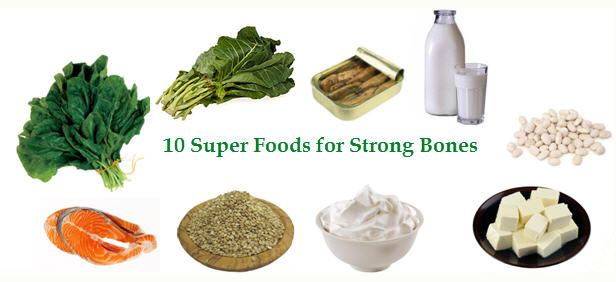
Nature's remedies: 10 Super Foods for Strong Bones

A healthy set of bones provides structure to the body and at the same time it gives protection to the internal organs and anchors the muscles. At the same time, strong bones are required for good posture, balance and strength. To enjoy strong bones, certain key nutrients are required such as calcium, phosphorus, vitamins, beta-carotene, fiber, magnesium, proteins and minerals. There are many healthy foods that promote healthy and strong bones and reduce the chance of achy joints, inflammation, arthritis and so on.
So, if you wish to have strong bones throughout your lifetime, then it is very essential to keep a close eye on your diet plan. When you eat the right type of foods, you can definitely enjoy better bone mass and bone density at any age.
Here are top 10 super foods for Strong Bones.
Super foods for strong bones

  1. Salmon

    Salmon is a kind of fatty fish that contains a wide range of bone-boosting nutrients such as calcium, protein, vitamin D and omega-3 fatty acids. Both vitamin D and omega-3 fatty acids help to increase the absorption of calcium in the body. Regular consumption of salmon helps to improve bone density and bone accumulation. At the same time salmon is also good for the heart. Salmon can be grilled, poached or baked and you can easily incorporate it into a wide variety of healthy dishes.
  2. Milk

    Calcium is the most essential element for strong bones and the best source of calcium is undoubtedly milk. Along with calcium, milk also contain useful nutrients such as potassium, magnesium, riboflavin, phosphorus and Vitamins D, A and B12. All these nutrients are important for healthy bones. An adult person must consume two glasses of milk daily. When it comes to children and teenager they must consume more milk. Depending upon your preference level, you can choose skim, low-fat, or whole milk. Those who do not like the taste of milk can have it by blending it into a smoothie or sauce.
  3. Cheese

    Cheese is loaded with good amount of calcium, along with Vitamins D, A, B12, potassium, magnesium, riboflavin, phosphorus and protein. All these nutrients are necessary to enjoy strong bones. Also as cheese is low in lactose, those who are lactose intolerant can also have it. When it comes to cheese there are different varieties available in the market such as cheddar, Swiss, mozzarella, goat cheese, Parmesan and cottage cheese. Regular consumption of small amount of cheese will give your body a healthy set of bones.
  4. Yogurt

    Yogurt contains a good amount of calcium and experts say that one cup of yogurt daily is enough to fulfill the calcium requirement of the body. In addition to calcium, yogurt also contains a good amount of Vitamins D, A, B12, potassium, magnesium, riboflavin, phosphorus and protein. If you wish to have strong bones, avoid eating Greek yogurt varieties as they are high in protein content and generally do not contain adequate levels of vitamin D and often have less calcium as compared to traditional yogurts. Those who are health conscious can choose fat-free plain yogurt.
  5. Sesame Seeds

    For healthy bone structure, you must also regularly eat sesame seeds which are available throughout the year. Sesame seeds have a nutty flavor and contain various nutrients such as calcium, magnesium, phosphorus and vitamin K and vitamin D. You must daily consume at least one forth cup of these crunchy seeds, in roasted or dried form. You can also sprinkle some sesame seeds on cooked vegetables, toss them into your favorite salad, and add them to stir-fry vegetables. If you do not like the taste of sesame seeds then you can also try sesame butter. Along with sesame seeds you must also include flaxseeds in your diet plan.
  6. Collard Greens

    This leafy green vegetable contains a good amount of calcium along with magnesium, omega-3 fatty acids and Vitamin K. All these nutrients are essential to bone health. At the same time the anti-cancer, anti-diabetic, and anti-bacterial properties present in collard greens provide a variety of other health benefits also. One cup of cooked collard greens contains more than one forth of your daily calcium requirement. The best way to consume collard greens is to lightly steam them with fresh garlic and onions. You can also add this leafy green vegetable in salad and soup.
  7. Spinach

    Spinach is another easily available vegetable that is high in calcium content. Along with calcium, spinach also contains a good amount of fiber, iron, potassium, magnesium and vitamin A and vitamin C. Just one cup of cooked spinach can provide one fourth of your daily calcium needs. There are different ways to cook this dark green leafy vegetable as it can be grilled, boiled, frozen, canned or eaten raw depending upon how you like to eat it. It makes a good addition to salads, sandwiches and appetizers. Along with spinach, you must also try to eat Chinese cabbage, kale, broccoli and cauliflower to enjoy better bone health.
  8. White Beans

    White beans are also one of the best super foods for healthy bones. This legume contains a good amount of calcium, fat free protein, fiber and essential minerals like magnesium, phosphorus and potassium. All these nutrients are essential for bone health. Depending on the type of white beans you choose, one cup of cooked beans can provide a good amount of calcium that prompts healthy strong bones. You can include white beans in soups, salads, stews, bean spreads, casseroles, and baked vegetables. Along with white beans you must also try to eat pinto beans, navy beans and black beans.
  9. Tofu

    Tofu is a kind of soy food that contains a very good amount of calcium and plant-based chemicals called isoflavones that are important to promote healthy and strong bones. Half cup of tofu contains more than 800 milligrams of calcium. So, you must regularly eat tofu and other soy-containing foods to increase your calcium intake. Also tofu is a popular choice of people who are lactose intolerant, and do not prefer to consume dairy products, or who want something delicious, nutritious, and different. Whether you get it plain or get it cooked, tofu is a healthy choice for your bones.
  10. Sardines

    Another excellent source of calcium and Vitamin D is sardines. In fact, sardines contain good amount of calcium and vitamin D per serving as compared to milk and dairy products. Along with calcium, sardines also contain a good amount of omega-3 fatty acids, phosphorus and vitamin B12. As these little fish are perishable in nature, the most common way to enjoy sardines is from a can. The canned sardines can be added to pizza, salads or any mashed dish. In many places sardines are also available in fresh form and they can be easily added to salads, pastas and sauces.

Nature's remedies: 10 Super Foods To Fight Stress

Due to hectic lifestyle, many people experience stress and it is a known fact that stress is not good for health. In fact, too much stress in life can cause negative effects on your body, mood and behavior. It can even lead to both short and long-term physical problems such as impaired memory, learning abilities, high blood pressure, coronary heart disease, osteoporosis and a poorly functioning immune system. This is one reason why people look for ways to fight stress.
The best way to fight stress is it to find out the cause behind it and then try to resolve it. At the same time regular exercise, massage and yoga can help to reduce stress levels. However, very few people know that there are certain foods that can also help to combat stress. You just need to eat these foods whenever you are in stress and soon you will feel more relaxed.
Here are top 10 super foods to fight stress.
superfoods for stress
  1. Green Tea

    Green tea contains powerful antioxidants such as polyphenols, flavonoids and catechins. All these antioxidants help a lot in creating positive mood due to their calming effect on the mind and body. Those who drink at least five cups of green tea per day can enjoy better health and mood as compared to those who do not drink less tea. Next time whenever you are in stress, take out some time to enjoy a cup of green tea. Those who do not like green tea can also opt for black tea. The positive impact of green tea will be more amongst people who do not drink alcohol and smoke cigarette.
  2. Blueberries

    Blueberries contain plenty of antioxidants that help a lot to reduce the stress level. Blueberries also contain Vitamins C and Vitamin E along with minerals like magnesium and manganese, which are helpful in reducing stress. Regular consumption of blueberries also helps a lot in dealing with depression, insomnia and other mood disorders. As blueberries are rich in fiber content and low in calorie level, this fruit can also be consumed by those who wish to lose weight. You can try blueberries as it is or try them with cottage cheese and add them to a healthy plate of fruit salad. Along with blueberries, cranberries can also help a lot to reduce stress.
  3. Milk

    Those who regularly consume milk feel less stressed. One glass of skim milk provides your body with the good amount of antioxidants along with vitamin A, vitamin D, calcium and protein. All these nutrients help to fight the free radicals that get released when you are in stress and help you to calm down soon. The best way to start the day is to have a bowl of whole-grain cereal with low-fat milk. This is regarded as the best stress-fighting breakfast. Also try to drink a glass of warm milk before going to bed to enjoy better sleep. Those who do not like milk can eat milk products such as cottage cheese and yogurt.
  4. Spinach

    Dark green vegetable like spinach is rich in Vitamins C, A and B-vitamins. At the same time spinach also contains a good amount of minerals like calcium, potassium, magnesium and phosphorus which help a lot to reduce stress hormones in the body and stabilize the mood. One cup of spinach daily can have relaxing, calming effects on the body and help your body to fight against stress. There are many easy ways to include spinach in your diet. You can add this green leafy vegetable in your omelet, wrap, and sandwich or eat it in the form of a salad.
  5. Almonds

    Nuts especially almonds are high in Vitamin E, Vitamin B, magnesium, zinc and healthy oils. At the same time almonds are a great source of fiber. You can eat almonds in raw or roasted form as a healthy snack. Also you can include almonds in desserts and baked food items. Along with almonds you can also eat walnuts and pistachios to lower your stress hormones, reduce blood pressure and boost your energy level.
  6. Dark Chocolate

    It has been found that eating about an ounce and a half of dark chocolate daily can hugely reduce the level of stress hormones present in the body. This happens because dark chocolate contains magnesium, which is a mineral that can help to fight against stress, fatigue, depression and irritability. The best part about dark chocolate is that most of us like it and can be consumed in different ways. Whenever you feel stress, immediately eat some dark chocolate and soon it will boost your mood and reduce the stress level. If you like you can also try a warm glass of chocolate milk or any kind of dessert having dark chocolate to fight stress.
  7. Salmon

    Salmon is a kind of cold water fish that contains a good amount of omega-3 fatty acids, a kind of strong anti-inflammatory agent. Omega-3 fatty acids boost happy brain chemicals like serotonin and regulate stress hormones like cortisol and adrenaline. At the same time omega-3 fatty acids help brain cells to function more efficiently. You must eat two or three servings of salmon per week. Along with salmon, you can also eat other oily fish such as mackerel, tuna and sardines. If required you can take daily omega-3 fatty acid supplement after consulting your doctor.
  8. Oranges

    Oranges are high in Vitamin C that help boost your immunity and it is also an antioxidant, which fights the free radicals that get release when you are in stress. At the same time oranges have significant amounts of Vitamin A and the B vitamins as well as different types of healthy minerals which are good for overall health. The best way to enjoy the benefits of nutrients present in oranges is to drink a glass of fresh orange juice daily. Else you can include oranges in desserts and various baked food items. Along with oranges, you must also eat other citrus fruits.
  9. Brown Rice

    Brown rice contains a good amount of B-vitamins, which are extremely important in maintaining cells, tissues and organs. These type of vitamins also help a lot in biochemical reactions involved in energy, brain function, healthy red blood cells, immunity, and cardiac function and so on. When the body gets adequate amount of B-vitamins then there will be less stress in your life and also you do not have to suffer from different types of mood disorders. Next time when you experience irritability and moodiness try to eat brown rice products and soon you will feel better.
  10. Avocado

    Avocado contains a good amount of minerals, protein, vitamin C and vitamin E. Also it is high in fiber, potassium and healthy fat. All these nutrients help to regulate the stress hormones in check by keeping nerves and brain cells healthy. Daily consumption of one avocado will significantly lower down your blood pressure level and reduce the stress hormone level. You can eat avocado as it is or add it to your favorite fruit salad plate or smoothie. For better result, try to eat fresh avocado instead on the packaged version.

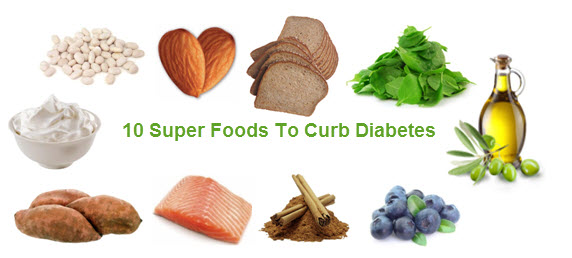
Nature's remedies: 10 Superfoods To Curb Diabetes

Diabetes is a kind of disease that gradually affects your entire system and almost every organ of your body like your kidneys, eyes, heart etc. Even though there are many medicines that can control your blood sugar level, it is essential to understand that food is really your best medicine. In fact, one of the leading factors behind the development of Type 2 Diabetes along with many other chronic and degenerative diseases is poor diet.
There is no stage of Type 2 Diabetes that cannot be controlled by making some smart dietary changes. To prevent and control diabetes, there are some Superfoods that can stabilize or even lower your blood sugar level when eaten on regular basis in appropriate portions. These Superfoods have a bigger impact on your blood sugar than others.
Here are top 10 Superfoods to Curb Diabetes.
Diabetis
  1. Beans

    Beans are good source of dietary fiber and are also rich in protein, magnesium and potassium. All these minerals are very important for those who have diabetes and so when planning a diet plan for diabetes it is essential to include them. Beans can slow the digestion process and help to maintain blood sugar level after eating a meal. When it comes to beans you can choose kidney, pinto, navy, white, navy, lima, pinto, garbanzo, soy or black beans depending upon which one you like to eat. You can add beans to soup or salad.
  2. Dark Green Leafy Vegetables

    Dark green leafy vegetables are very low in calories and carbohydrates and contain a good amount of vitamin C, insoluble fiber, magnesium and lots of calcium. All these nutrients are absolutely essential for diabetics as they have virtually no impact on your blood sugar level. Studies show that leafy veggies lower the risk of type-2 diabetes. Those who are diabetic must have two servings of dark green vegetables such as spinach, kale, chard, collard greens, mustard greens and other leafy greens daily in their diet plan.
  3. Berries

    Berries of all kind are packed with antioxidants, vitamins and fiber that can hugely control your blood sugar level and help protect against cancer and heart diseases. You can choose different types of berries like strawberries, cranberries, black berries and so on. In fact berries make a smart substitute when you feel the urge to eat something sweet. You can add fresh berries in cereals and salads, and keep use the dried versions as a healthy snack. You can also use berries to make low sugar desserts for diabetics.
  4. Fish

    Fishes that are high in Omega-3 fatty acids must also be consumed on regular basis by those who are diabetic. At the same time fishes are a good source of protein, and a great substitute for higher-fat meats. Aim to eat fish at least twice a week. Cold water fatty fishes like salmon, sardines, halibut, herring, mackerel, and tuna are good for those who are diabetic. You must eat baked or grilled fish and try to avoid breaded and deep fat fried variety. Those who do not eat fish must take fish oil supplements after consulting a doctor.
  5. Whole Grains

    Whole grain food products contain a wide variety of nutrients including magnesium, chromium, omega 3 fatty acids and folate. Whole grains can help to maintain blood sugar level and can help reduce blood pressure and LDL (“bad”) cholesterol. Whole grains also contain powerful plant chemicals, lignans and flavonoids, which may play a role in preventing heart disease. Thus, those who are diabetic must switch from rice to brown rice and from refined flour to whole wheat flour to enjoy many health benefits.
  6. Nuts

    Nuts contain healthy fats, vitamins, fiber and lots of minerals such as magnesium and vitamin E.9 that can stabilize blood sugar level. Nuts help reduce insulin resistance and help fight heart disease. Those who are diabetic, or those who want to avoid Type 2 diabetes, must eat nuts on regular basis. Nuts of all sorts – walnuts, pecans, almonds, pea nuts and so on are great for controlling blood sugar. The best way to eat nuts is after they have been soaked overnight to release their enzyme inhibitors. Take a hand full of nuts and place them in a bowl of water, leave them to sit over night and in the morning discard the water and then eat the nuts.
  7. Olive Oil

    Olive oil is loaded with antioxidants and monounsaturated fats that reduce the risk of heart disease and help keep blood sugar steady by reducing insulin resistance. Olive oil also helps in losing weight which is very essential for those who are diabetics. When it comes to olive oil you must choose the extra virgin olive oil (EVOO) which is minimally processed and contains more than 30 antioxidant and anti-inflammatory plant compounds. You can add olive oil on salads and use it to sauté meat and veggies.
  8. Yogurt

    Yogurt is rich in protein, Vitamin D and calcium. Several studies have shown that people who eat plenty of calcium-rich foods can easily lose weight and are also less likely to become insulin resistant. Yogurt can also help build strong bones and teeth. Use nonfat plain yogurt and eat as it is or else add it to bowl of fresh fruit. Along with low fat yogurt you can also include low fat milk in your diet plan to control your blood sugar level.
  9. Cinnamon

    There are several components in cinnamon that promotes glucose metabolism and reduces cholesterol. It has been found that in people with diabetes; just half teaspoon of cinnamon powder in a day can significantly decrease fasting blood glucose levels and increase insulin sensitivity. There are many ways to add cinnamon in your diet. You can sprinkle some in your coffee, stir it into your morning oatmeal, or add it to chicken or fish dishes. Else you can soak a medium sized cinnamon stick in hot water to make a refreshing cup of cinnamon tea.
  10. Sweet Potatoes

    Sweet potato is a kind of starchy vegetable that contains the antioxidant beta-carotene along with vitamin A, Vitamin C, potassium and fiber. All these components help lower blood sugar. Those who are diabetic must use sweet potatoes in place of regular potatoes for a lower GI alternative. Whether you like grilled or baked sweet potatoes try to cook then with the skin on, since most of the nutrients are next to it. You can also eat sweet potatoes steamed, broiled or stewed, as a side dish, in salads, soups, casseroles or other dishes.

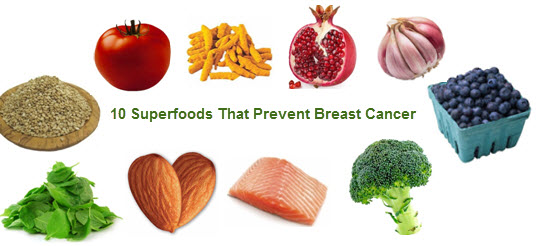
Nature's remedies: 10 Superfoods That Prevent Breast Cancer

Breast cancer is the most common form of cancer and also the deadliest of all cancers.  The World Health Organization (WHO) has predicted that by 2020 the number of breast cancer cases will be much higher. In fact, it is believed that in coming few years one in every eight women would run the risk of developing breast cancer in her lifetime. This figure has been also estimated by the Indian Council of Medical Research (ICMR).
Breast cancer is a complex disease, and many factors contribute to it such as genetics along with lifestyle and dietary factors. However breast cancer can be prevented with certain healthy habits such as limiting alcohol consumption, avoid smoking, controlling your weight, breast feeding, avoiding exposure to radiation and environmental pollution, and limiting the duration of hormone therapy, staying physically active and regular medical checkups. At the same time following a healthy diet plan can also reduce the risk of breast cancer to a great extent. There are certain food items that help to fight malignant cancer cells at the onset and thus help in preventing breast cancer.
Here are top 10 Superfoods that Prevent Breast Cancer.
Cancer
  1. Broccoli

    Broccoli contains cancer-fighting compounds known as indole-3-carbinol. This particular chemical converts the type of estrogen that causes cancer into a more cancer-protective type of estrogen and help in reducing the risk of various types of cancers such as breast, bladder, lymphoma, prostate and lung cancer. Try to eat five portions of broccoli in a day to help protect against breast cancer. Cooked broccoli supply more health benefits than raw broccoli. Along with broccoli, try to include other cruciferous vegetables such as cabbage, kale, and cauliflower in your diet plan in order to reduce the risk of breast cancer.
  2. Salmon

    Salmon is a kind of oily fish that contains a good amount of omega-3 fatty acids which slows down the growth of cancerous tumors and also boosts the immune system. At the same time salmon is also a smart lean protein source along with vitamins B12 and D. All these elements provide your body with the nutrients required to regulate cell growth and prevent cancer. You can eat salmon by steaming it, baking it or grilling it. For better result try to eat three portions of fresh salmon each week. Along with salmon, other oily fishes that can prevent breast cancer are mackerel, sardines, trout, sea bass and tuna. 
  3. Turmeric

    Turmeric contains a substance known as Curcumin that can inhibit various types of cancer cells such as breast, gastrointestinal, lung, and skin cancer. According to various research works it has been found that turmeric helps a lot to prevent breast cancer from spreading to the lungs when combined with certain drug-based therapy. It has several cancer-fighting properties and it actually repairs DNA that has been damaged by radiation. You can enjoy the protective benefits of Curcumin by just adding little bit of turmeric powder to your foods or eat a pinch of raw turmeric with water every morning on an empty stomach.
  4. Blueberries

    Blueberries are power-packed with vitamins, minerals, and antioxidants that can aid in breast cancer prevention. The phytochemicals present in blueberries work together to prevent the growth and spread of various forms of breast cancer. At the same time blueberries are rich in antioxidants such as ellagic acid which has anticancer properties which destroy cancer-causing substances and slow the growth of tumors. Along with blueberries, other types of berries that can prevent breast cancer are strawberries, raspberries, blackberries, blueberries, and cranberries. To reap the benefits of blueberries try to eat them fresh instead of the packaged versions.
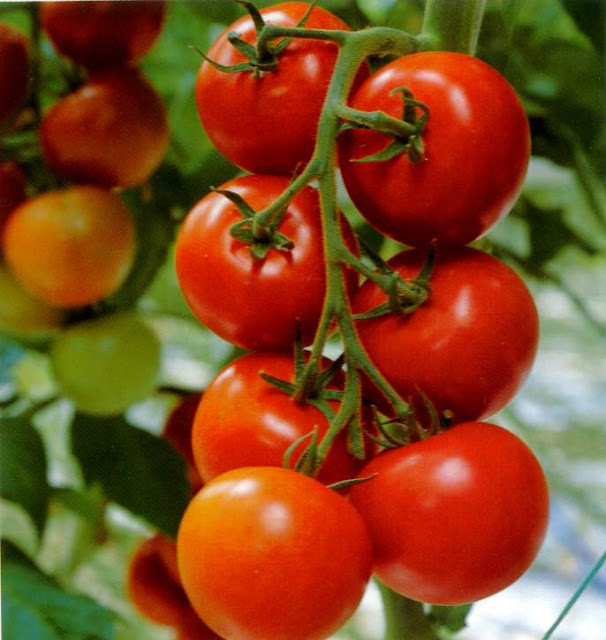
  5. Tomatoes

    Tomatoes contain lycopene, a powerful antioxidant that can prevent the development of breast cancer by stopping cancer cell growth. According to the American Institute for Cancer Research, lycopene also stops the growth of tumors by interfering with abnormal cell growth. Along with breast cancer, lycopene is also beneficial in stopping other types of cancer cells from growing, including lung, and endometrial. To enjoy the benefits of tomatoes, you can eat cooked, concentrated or processed tomatoes. However the best option is to drink half glass of tomato juice daily.
  6. Garlic

    Studies show that garlic also helps in preventing breast cancer. The sulfur compounds present in garlic speeds DNA repair, and kills cancer cells connected with breast cancer, mouth cancer, stomach cancer, and colon cancer. To get the most benefit, peel and chop the garlic cloves and let them sit for about fifteen minutes before cooking. Also crush or swallow a piece of garlic every morning in order to live a cancer-free life. However people on blood thinners and certain other medications should talk with their doctor before taking garlic supplements.
  7. Pomegranate Juice

    According to some research works it has been found that pomegranate destroys breast cancer cells without affecting the healthy cells. Also it contains polyphenol- an ellagic acid with anti-oxidant properties that prevents the formation of new breast cancer cells. Pomegranate makes a delicious and healthy addition to any fruit salad and fruit based dessert. You can include pomegranate in any breast cancer prevention diet, in either fruit or juice form.
  8. Flaxseed

    Flaxseed contains high levels of lignans, which protect against estrogen-dependent cancers such as breast cancer. Flaxseed or flaxseed oil is among the few sources of the essential omega-3 fatty acid ALA which forms a protective shield against cancer cells responsible for causing breast cancer. You can add powdered flaxseed to yogurt or a smoothie to create a richer and nutty flavor. You can also add flaxseed oil to salad dressings too or integrate them into baked goods, such as cookies or muffins.
  9. Spinach

    Spinach contains an antioxidant known as lutien which plays a key role in guarding against breast cancer along with mouth, esophagus, and stomach cancer. It is also rich in zeaxanthin and carotenoids that remove unstable molecules called free radicals from your body before they damage it. Women must eat spinach at least twice a week in order to reduce the risk of breast cancer. Spinach can be enjoyed in the form of a salad, soup, steamed, sautéed or stirred. Along with spinach also eat other green leafy vegetables such as kale, collard greens, Swiss chard, or romaine lettuce.
  10. Walnuts

    Walnuts contain many helpful nutrients and healthy omega-3 fatty acids, which help your body fight inflammation that actually slow down the growth of breast cancer tumors. Research suggests that walnut is particularly effective at protecting your cells against environmental exposures that may increase the risk for cancer. Regular consumption of walnuts can help you keep breast cancer at bay. Heath experts suggest eating two ounces of walnuts in a day in order to slow down the development and growth of breast cancer tumors.

Nature's remedies: Which Fruits Are Good for Diabetics to Eat?

http://healthyeating.sfgate.com/DM-Resize/photos.demandstudios.com/160/148/fotolia_5807269_XS.jpg?w=600&h=600&keep_ratio=1
According to the National Diabetes Information Clearinghouse, or NDIC, people with diabetes can eat most fruits without any problems. However, whole fresh fruits are best. Avoid canned fruits, which have added syrups, or dried fruits, which are sometimes coated with sugars. Avoid fruit juice in favor of whole fruits. Not only is whole fruit more filling and with more fiber, but it's also lower in sugar.

Strawberries

According to the Mayo Clinic, you can eat any fruits as long as the serving you're having doesn't have more than 15 g of carbohydrates. What makes some fruits better than others is that 15 g of carbs might mean a large serving of one fruit but a small serving of another. Strawberries fall into the first category. For 15 g of carbs, you can eat one and a quarter cup of whole strawberries. As a comparison, you only get half a cup of mango or a three quarter of a cup of pineapple for the same amount of carbs.
Fiber is essential to a diabetic because it can help him stabilize blood sugar, according to HelpGuide. Raspberries have one of the highest amount of fiber of any fruits, at 8 g of fiber per serving of blackberries, which equals 1 cup of raspberries. Blackberries are also high in fiber. They contain 7.6 g of fiber per cup.

Grapefruit

Grapefruit is at the bottom of the glycemic index. The glycemic index is the measurement of how much a specific food affects blood sugar. According to the Center for Integrative Medicine of the University of Wisconsin, grapefruit has a glycemic index of 25. The only other fruit under 30 is peach, which has a glycemic index of 28. At the other end of the scale are watermelon, pineapple and raisins, all of which have a glycemic index of more than 60.

Nature's remedies: Why Is Kiwi Fruit Good for You?

http://theweightmonitor.com/Upload/THEWEIGHTMONITOR/Article/(21-11-2012)(11-13)bigstock-Kiwi-Fruit-340429.jpg


Although many people associate the kiwi fruit with New Zealand, the fruit is native to China, particularly in the country's northern and eastern regions. There are 10 different varieties of kiwi, although the green kiwi is the variety most commonly available in the United States. This fruit features a thin, edible skin housing juicy green flesh. Kiwi contains several nutrients essential for optimal health.

Vitamin C


The kiwi is an abundant source of vitamin C; one kiwi contains about 64 mg of this vitamin. This is about 71 percent of the recommended daily intake for adults. Vitamin C is best known as an immune system enhancer, helping your body ward off bacterial and viral infections. It also helps your body produce serotonin and norepinephrine, which are neurotransmitter chemicals that relieve stress and depression.

Vitamin K


One kiwi contains about 27.8 mcg vitamin K, or about 35 percent of the adult recommended daily allowance. Vitamin K is essential for coagulating blood, which helps prevent excessive bleeding from cuts, scrapes and surgical wounds. It also helps prevent bleeding in of peptic ulcers, as well as liver and intestinal tissues. Vitamin K may help prevent osteoporosis by enhancing the ability of bone cells to use calcium.

Potassium


Potassium is a mineral that is essential for maintaining normal heart rhythms, which may help prevent cardiovascular disease. It also helps maintain proper fluid balance in your body, reducing your risk of dehydration. Potassium aids in the transfer of nutrients through cell membranes. One kiwi contains about 215 mg potassium, or about 4.5 percent of the daily requirement for adults.

Phosphorus


Kiwi contain phosphorus; one kiwi provides about 23 mg of this mineral, or about 3 percent of the recommended daily intake for adults. Phosphorus is necessary for the manufacture of bone cells and promotes proper kidney function. Phosphorus also improves your body's ability to convert nutrients from foods into energy.


Nature's remedies: Why Are Raspberries Good for You?

http://blog.dothegreenthing.com/wp-content/uploads/2012/06/raspberries_2.jpg

A diet rich in fruits and vegetables can help to prevent and manage obesity, heart disease, diabetes, cancer and other types of chronic illness. Because each fruit and vegetable contains different types and levels of nutrients, your best bet is to consume a wide variety of each. This includes raspberries, which are good for you and part of a healthy diet, due to what they do and do not contain.

Considerations

For overall good health, it is important to control your calorie, fat, cholesterol and sugar intake. Because raspberries are low in all of the above, they make a healthy snack. A serving of 10 raspberries has approximately 10 calories; no cholesterol or saturated fat and only a trace amount of sugar. Eating raspberries can help to satisfy a sweet tooth in place of higher-calorie sugary snacks.


Fiber

Raspberries, like most fruits, are a good source of fiber, which plays an important role in overall good health. Fiber helps to maintain regular bowel movements, it protects against heart disease by inhibiting the body's ability to absorb cholesterol and it makes you feel full, which can curb binge eating. Just 1 cup of raspberries contains 8 g of fiber, which can help to meet the daily suggested amount of 25 to 35 g. "Arthritis Today" recommends eating eat two to three types of fresh, frozen or dehydrated berries each day to get the fiber you need.

Antioxidants

Raspberries contain substances called phenolic phytochemicals which have antioxidant properties. One of the phytochemicals raspberries contain is ellagic acid, which is a known anti-carcinogenic. Antioxidants destroy free radicals, which cause damage to the body and contribute to the development of cancer, cardiovascular disease and immune system disorders. However, eating just four average-sized black raspberries can provide the body with more antioxidants than a serving of most other fruits and vegetables, reports the Spring 2009 issue of "New York Fruit Quarterly." All types of raspberries provide the body with antioxidants, but black raspberries tend to have the highest amount.

Vitamin C

All types of raspberries are rich in vitamin C. Vitamin C helps with the growth and repair of tissues; it helps the body make collagen, which is an important protein used to make skin, cartilage, tendons, ligaments and blood vessels; it must be present in adequate amounts for wounds to heal properly and it helps with repairing and maintaining your bones and teeth. A diet that is too low in vitamin C may contribute to high blood pressure, gallbladder disease, stroke and some forms of cancers, says the University of Maryland Medical Center. The daily requirement for vitamin C is based on age and sex, but most adults need 75 to 90 mg every day and since smoking depletes vitamin C stores, smokers need an additional 35 mg. Consuming 1 cup of raspberries provides about 32 mg of vitamin C.

utorak, 25. lipnja 2013.

Nature's remedies: 10 Health Benefits of Eggs

http://www.maureenabood.com/wp-content/uploads/2012/02/Farm-fresh-local-eggs-POST.jpg
1. Eggs are great for the eyes. According to one study, an egg a day may prevent macular degeneraton due to the carotenoid content, specifically lutein and zeaxanthin. Both nutrients are more readily available to our bodies from eggs than from other sources.

2. In another study, researchers found that people who eat eggs every day lower their risk of developing cataracts, also because of the lutein and zeaxanthin in eggs.

3. One egg contains 6 grams of high-quality protein and all 9 essential amino acids.

4. According to a study by the Harvard School of Public Health, there is no significant link between egg consumption and heart disease. In fact, according to one study, regular consumption of eggs may help prevent blood clots, stroke, and heart attacks.

5. They are a good source of choline. One egg yolk has about 300 micrograms of choline. Choline is an important nutrient that helps regulate the brain, nervous system, and cardiovascular system.

 6. They contain the right kind of fat. One egg contains just 5 grams of fat and only 1.5 grams of that is saturated fat.

7. New research shows that, contrary to previous belief, moderate consumption of eggs does not have a negative impact on cholesterol. In fact, recent studies have shown that regular consumption of two eggs per day does not affect a person's lipid profile and may, in fact, improve it. Research suggests that it is saturated fat that raises cholesterol rather than dietary cholesterol.

8. Eggs are one of the only foods that contain naturally occurring vitamin D.

9. Eggs may prevent breast cancer. In one study, women who consumed at least 6 eggs per week lowered their risk of breast cancer by 44%.

10. Eggs promote healthy hair and nails because of their high sulphur content and wide array of vitamins and minerals. Many people find their hair growing faster after adding eggs to their diet, especially if they were previously deficient in foods containing sulphur or B12.

Nature's remedies: 25 powerful reasons to eat bananas

http://upload.wikimedia.org/wikipedia/commons/thumb/3/31/Cavendish_banana_from_Maracaibo.jpg/1280px-Cavendish_banana_from_Maracaibo.jpg
1. Bananas help overcome depression due high levels of tryptophan, which is converted
into serotonin -- the happy-mood brain neurotransmitter
2. Eat two bananas before a strenuous workout to pack an energy punch and sustain your
blood sugar
3. Protect against muscle cramps during workouts and night time leg cramps by eating
a banana
4. Counteract calcium loss during urination and build strong bones by supplementing
with a banana
5. Improve your mood and reduce PMS symptoms by eating a banana, which regulates
blood sugar and produces stress-relieving relaxation
6. Bananas reduce swelling, protect against type II diabetes, aid weight loss, strengthen the
nervous system, and help with the production of white blood cells, all due to high levels
of vitamin B-6
7. Strengthen your blood and relieve anemia with the added iron from bananas
8. High in potassium and low in salt, bananas are officially recognized by the FDA as
being able to lower blood pressure, and protect against heart attack and stroke


Eating bananas aids digestion


9. Rich in pectin, bananas aid digestion and gently chelate toxins and heavy metals
from the body
10. Bananas act as a prebiotic, stimulating the growth of friendly bacteria in the bowel.
They also produce digestive enzymes to assist in absorbing nutrients.
11. Constipated? High fiber in bananas can help normalize bowel motility.
12. Got the runs? Bananas are soothing to the digestive tract and help restore lost
electrolytes after diarrhea.
13. Bananas are a natural antacid, providing relief from acid reflux, heartburn and GERD
14. Bananas are the only raw fruit that can be consumed without distress to relieve
stomach ulcers by coating the lining of the stomach against corrosive acids

Natural cures from a simple banana

15. Eating bananas helps prevent kidney cancer, protects the eyes against macular
degeneration and builds strong bones by increasing calcium absorption
16. Bananas make you smarter and help with learning by making you more alert. Eat a
banana before an exam to benefit from the high levels of potassium.
17. Bananas are high in antioxidants, providing free radicals and protection from
chronic disease
18. Eating a banana between meals helps stabilize blood sugar and reduce nausea
from morning sickness
19. Rub a bug bite or hives with the inside of the banana peel to relieve itching and irritation
20. Control blood sugar and avoid binging between meals by eating a banana
21. Eating a banana can lower the body temperature and cool you during a fever or
on a hot day
22. The natural mood-enhancer tryptophan, helps to relieve Seasonal Affective
Disorder (SAD)
23. Quitting smoking? Bananas contain high levels of B-vitamins as well as potassium
and magnesium speed recovery from the effects of withdrawal
24. Remove a wart by placing the inside of a piece of banana peel against the wart
and taping it in place
25. Rub the inside of a banana peel on your leather shoes or handbag and polish
with a dry cloth for a quick shine

Nature's remedies: 10 reasons to eat more carrots

http://us.123rf.com/400wm/400/400/subbotina/subbotina1209/subbotina120900091/15353622-organic-carrots-carrot-growing-closeup.jpg

So if the sweet flavor isn’t enough, enjoy these 10 reasons to eat more carrots:
1. Beta carotene: Carrots are a rich source of this powerful antioxidant, which, among other vital uses, can be converted into vitamin A in the body to help maintain healthy skin.
2. Digestion: Carrots increase saliva and supply essential minerals, vitamins and enzymes that aid in digestion. Eating carrots regularly may help prevent gastric ulcers and other digestive disorders.
3. Alkaline elements: Carrots are rich in alkaline elements, which purify and revitalize the blood while balancing the acid/alkaline ratio of the body.
4. Potassium: Carrots are a good source of potassium, which can help maintain healthy sodium levels in the body, thereby helping to reduce elevated blood pressure levels.
5. Dental Health: Carrots kill harmful germs in the mouth and help prevent tooth decay.
6. Wounds: Raw or grated carrots can be used to help heal wounds, cuts and inflammation.
7. Phytonutrients: Among the many beneficial phytochemicals that carrots contain is a phytonutrient called falcarinol, which may reduce the risk of colon cancer and help promote overall colon health.
8. Carotenoids: Carrots are rich in carotenoids, which our bodies can use to help regulate blood sugar.
9.  Fiber: Carrots are high in soluble fiber, which may reduce cholesterol by binding the LDL form (the kind we don’t want) and increasing the HDL form (the kind our body needs) to help reduce blood clots and prevent heart disease.
10. Eyes, hair, nails and more! The nutrients in carrots can improve the health of your eyes, skin, hair, nails and more through helping to detoxify your system and build new cells!

Nature's remedies: 5 reasons to eat more tomatoes

https://blogger.googleusercontent.com/img/b/R29vZ2xl/AVvXsEjGTA4lrTsNko6rQUvlTpTdJ7OBnXfCcLhIWw9zpBLrIjTgEWacmczyDxI-pOEEsEZmsAIV6Vs8PbqM-lq_Xsr2r1M87cgzMGZe8EUbN-so-JVliUfyPNQO957e6L4MJI3T8odg0ETVD_k/s320/tomato+for+fat+reducing.jpg

1. Load up on lycopene

The antioxidant properties of lycopene may protect our immune cells from destructive free radicals, molecules that can harm cells and damage DNA. The best way to get lycopene—which is in the skin, and gives red tomatoes their rich colour—is through cooked or processed tomatoes (juice, sauce and paste). Cook tomatoes with a little healthy oil (e.g., olive or canola), which helps carry the lycopene into the bloodstream.

2. Care for your heart

Tomatoes are rich in vitamin C, which, like lycopene, is linked to reducing the risk of heart disease. Most of the vitamin C is concentrated in the jelly-like substance that encases the seeds. Tomatoes are also high in salicylates, which have an anti-clotting effect on the blood, and may be partially responsible for tomatoes' protective effect against heart disease. Many recipes advise removing the seeds to prevent a bitter flavour. But to conserve nutrients, use plum tomatoes, which have less-bitter seeds.

3. Help control asthma

A new Australian study found that adequate intake of lycopene and vitamin A helped reduce exercise-induced asthma symptoms.

4. Feed your bones

Tomatoes contain vitamin K, which plays a key role in clotting blood and maintaining strong bones. And, research from Boston University found that vitamin K deficiency is linked to a higher prevalence of hand and knee osteoarthritis.

5. Add vitamin A

Vitamin A helps maintain healthy skin, hair, mucous membrances, bones and teeth. One cup (250 mL) of chopped tomatoes provides over half of the recommended daily amount of vitamin A for women.

nedjelja, 23. lipnja 2013.

Nature's remedies: The Overlooked Mineral that Shrinks Fat Cells

When you eat sugar (even natural sugars) or refined starches, your insulin levels rise too, and that can cause your body to hoard fat, making it difficult to lose weight.  Combine that with a deficiency in the mineral chromium and you’re at risk for being overweight, obese, or becoming diabetic. Some experts estimate that over 90 percent of North Americans are deficient in the mineral chromium, largely because of agricultural practices that deplete the soil and food-manufacturing processes that eradicate chromium and other minerals. Yet this mineral can help restore insulin balance and promote weight loss.

Research at the University of Texas found that supplementing with the mineral chromium daily can help you double fat loss without losing muscle. Chromium helps ensure proper sensitivity to insulin, the hormone secreted by your pancreas to escort sugar to the cells where it is needed before it can damage organs or be converted into fat.  Consult 60 Seconds to Slim for references.

While an important mineral, chromium is often overlooked. It helps maintain strong artery, blood, and heart health, and it also plays a significant role in alleviating a “sweet tooth.”  Chromium reduces cravings, mood swings, and weight gain linked to fluctuating blood sugar levels since it helps to keep them balanced.  Chromium also plays an important role in energy production in our bodies. So the side-effect of getting more chromium is often weight loss (in people who are overweight) and increased energy!

When sugarcane is processed to make sugar, most government regulations require that all of the minerals be removed. That includes the valuable mineral chromium, which is naturally found in foods that tend to be high in natural sugar. The chromium helps with the proper digestion and metabolism of naturally sweet foods.  When it has been eliminated, we are prone to many of the health issues linked to white or refined sugar consumption, including weight gain.

Keep reading to discover the signs of a chromium deficiency and the best type of chromium for weight loss…

Signs of a Possible Chromium Deficiency
While being overweight or obese can be a sign of a chromium deficiency, it is not the only one.  Some other possible signs are:
-Cravings for sugary or starchy foods
-Diabetes or hypoglycemia or chronically high or low blood sugar
-Difficulty tolerating alcohol or sugar
-Insulin resistance
-Syndrome X or Metabolic Syndrome or
-High cholesterol or high triglyceride levels.
But a person can be deficient in chromium without experiencing any symptoms.  Likewise, a person can experience the weight-loss benefits of chromium supplementation without having a chromium deficiency.

Sources of Chromium
Chromium is naturally found in many whole grains, romaine, lettuce, onion, beans, legumes, and ripe tomatoes.

Supplementing with Chromium
There are different types of chromium  but the one with the best fat-burning effects is chromium glucose-tolerance factor, or chromium GTF.  This is the form of chromium that is especially involved in balancing blood sugar levels, which likely acocounts for its weight-loss benefits.  Supplement with just 200 to 500 MICROgrams daily.  According to research at the University of Texas, the benefits of chromium supplementation are superior when combined with conjugated linoleic acid (CLA).  Supplement with 2 to 3 grams (2000 to 3000 milligrams) of CLA daily for best results.  Always consult with a naturally-minded physician before starting any new supplements.

Anti-Chromium Nutrients
Many calcium supplements and antacids decrease the absorption of chromium so it is best to take them separately from your chromium supplements.  Conversely aspirin is believed to increase chromium absorption, so if you are taking aspirin daily, you may need less chromium.  It is important to follow dosage recommendations since chromium toxicity is possible, albeit extremely rare.

Medications
If you are taking insulin or diabetes medications, consult your physician prior to taking chromium supplements.  He or she may need to reduce your medication because of chromium’s ability to reduce high blood sugar levels.

Super Health Bonuses
According to an interview with US Department of Agriculture research scientist Richard Anderson, PhD, “chromium is so helpful at controlling blood sugar, it could prevent diabetes in up to half of the at-risk people with higher-than-normal glucose levels.”
Chromium has also been shown to aid depression, according to Duke University researchers.  Georgetown University Medical Center’s Harry G. Preuss, MD, indicates that chromium supplementation also reduces the risk of heart attack by 41%.

subota, 22. lipnja 2013.

Nature remedies: Glycemic Index Diet

http://www.diabetesinformationabout.com/images/glycemic_index-pic.png
When people are trying to lose weight, they may focus on different numbers to decide whether or not to eat an item, including its calories, grams of fat, or grams of carbohydrate. Another number to consider if you want to lose weight is the glycemic index of your foods.
The glycemic index is a measure of how quickly a food containing carbohydrates (carbs) affects your blood sugar.
Foods that tend to be high in carbs include:
  • Candy
  • Sweet desserts
  • Bread
  • Pasta
  • Fruit
Your body breaks down most carbs into glucose -- the main source of energy for your body's cells. The glucose then moves into your bloodstream. As a result, your blood sugar goes up.
The glycemic index is designed as a scale. Typically, white bread or glucose is ranked at 100 on the scale, since these make your blood sugar rise quickly and steeply. The number for other foods represents their effect on your blood sugar compared to these items.
A term often used with glycemic index is "glycemic load." A food's glycemic load is a measure of both its glycemic index and the amount of carbohydrate it contains in a usual serving. Usually, foods with a high glycemic index will also have a high glycemic load. However, some foods, like watermelon, have a high glycemic index but a low glycemic load because they contain few carbs per serving.

Using the Glycemic Index for Weight Loss and Health

Following a glycemic index diet may be helpful for your weight. And it may lower your risk of health problems that are often linked to being overweight.
Here are some health advantages of a glycemic index diet:
Weight loss. Research shows that diets with a low glycemic index or a low glycemic load can help people lose more weight than low-fat diets or diets with a high glycemic index.
Foods with a low glycemic index may help you feel more full. They may also ward off hunger for longer.
Heart disease. Eating low glycemic index foods has been linked with better HDL "good" cholesterol and lower triglycerides, a type of blood fat.
Diets that are high in glycemic index or glycemic load have been linked to a higher chance of heart disease, especially in women.
Diabetes. A low glycemic index diet may lower your risk of type 2 diabetes.
However, experts don't know yet whether eating a low glycemic index diet can definitely protect you from this disease.

How to Follow a Glycemic Index Diet

Learning how to create a low glycemic index diet isn't hard. Be sure to:
Know the scale. Foods with a glycemic index in certain number ranges are considered "high," "medium," or "low" on the glycemic index. Here are the index ranges:
  • High: more than 70
  • Medium: 56 to 69
  • Low: 55 or less

How to Follow a Glycemic Index Diet continued...

Eat more "healthy" foods. Many foods with a low glycemic index are good for you for other reasons. Eat more of these foods, which tend to have a low glycemic index:
  • Nuts
  • Beans
  • Fruit
  • Whole grains
  • Non-starchy vegetables
Some examples of the glycemic index of these foods are:
  • Strawberries: 40
  • Kidney beans: 28
  • Pearled barley: 25
  • Peanuts: 14
Cut back on cake, candy, and sugary sodas, which tend to have a high glycemic index. "White" foods also have a high glycemic index, such as:
  • Potatoes
  • White bread
  • White rice
Watch out for ripe foods. Take a close look at the fruit or vegetable you're about to eat. The glycemic index of a fruit or vegetable goes up as it becomes riper.
Avoid heavily processed foods. Foods that are more heavily processed tend to have a higher glycemic index. For example, the glycemic index of an orange is 48, while orange juice is 57.
Avoid overcooking your foods. Cooking foods longer tends to raise their glycemic index.
Look at the size of your portions. A large portion of food, even with a low glycemic index, may contain more calories than you want when you're trying to lose weight.
Be sure to pay attention to foods' other qualities, too. Meat and fat have no carbs, so they don't have a glycemic index. But dishes high in fat may not fit well on a weight loss plan.

Nature remedies: The Lemonade Diet

The Lemonade Diet: What it is

The Lemonade Diet has been around for more than 50 years. Its popularity soared several years ago after Beyonce announced she'd lost 20 pounds on the diet for the movie Dreamgirls .
The late Stanley Burroughs developed the Lemonade Diet, which is also known as the Master Cleanse or Maple Syrup Diet, as a detoxification and fasting program. It's now also touted as a quick weight loss plan. 
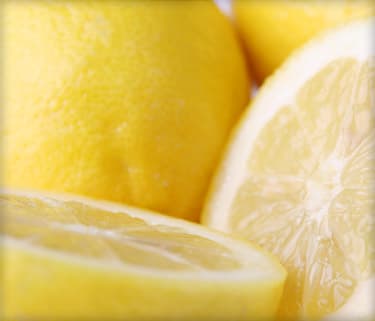
close up of lemon cut in half
The severe plan involves drinking a lemon juice concoction, and not eating any food, for up to two weeks. 
Of course, weight loss is inevitable when you stop eating and drink very few calories. But this kind of diet can also be dangerous to your health. Nutritionists point out that the Master Cleanse Diet plan is lacking in all the essential nutrients: calories, vitamins, minerals, protein, carbohydrates, fiber, and fat.   

Lemonade Diet: What You Can Eat

No solid foods are allowed, nor are any supplements. You consume only the Master Cleanse elixir to keep you hydrated.
The plan calls for you to drink 6 or more servings daily of the lemonade drink. The only other options are a "salt water flush" of 2 teaspoons salt mixed in a quart of water in the morning, and an herbal laxative tea at night, if needed.
A single serving of the Master Cleanse drink consists of:
  • 2 tablespoons fresh-squeezed lemon juice
  • 2 tablespoons grade-B organic maple syrup
  • 1/10 teaspoon cayenne pepper
  • 10 ounces filtered water
After following this fast for 4-14 days, dieters are urged to slowly ease back into eating solid food, starting with items such as vegetable soup, followed by fruits and vegetables.

Lemonade Diet: How It Works

You will lose weight on the Lemonade Diet because the fast creates a serious calorie deficit. But chances are, what you'll lose is water weight and muscle, not fat.
During the fast, you can expect to feel hungry and may get headaches, fatigue, dizziness, sluggishness, diarrhea, nausea, or constipation.
As for detoxification, your liver already does that. There is no medical evidence that fasting or "cleansing" diets actually rid the body of any toxins not otherwise discarded in bodily waste.

Experts' Views

Dietitian Melinda Johnson, RD, doesn’t see anything positive about this diet plan.
"There is no scientific evidence that you need anything like this or any other detox program to cleanse your body or help you lose weight," she says.
She suggests staying away from smoking if you want to avoid toxins. Otherwise, trust your liver to do its job.
Experts agree that such unbalanced plans are not only ineffective, but are also potentially dangerous, depending on how long you stay on them. Fasting can rob your intestines of healthy bacteria that aid digestion and boost immunity.

Experts' Views continued...

Another risk of rapid weight loss is losing lean muscle. Fitness expert Pamela Peeke, MD, says that without enough protein in the diet, your body must get protein from some other source -- so you burn your own muscle mass. At the end of the fast, you weigh less, but your body will be higher in fat and lower in muscle.
Johnson agrees. "Lean muscle and fluids are the first to go on starvation diets, not belly fat," she says.
Also, "whenever you follow an extremely restrictive diet plan, it is usually followed by an extreme binge," Johnson says.
Her advice: Forget fasting and detoxing, since they are risky, don’t work long-term, and can forge an unhealthy relationship with food.
Instead, choose a weight loss plan that fits your lifestyle and is doable long-term.
When a special occasion calls for slimming down quickly, get more aerobic exercise and trim calories with a healthy, well-balanced diet plan. Quick weight loss doesn’t last. In most cases, the lost weight returns along with a few added pounds.
If you choose to follow this plan, be sure to only do it for a few days -- and consult your doctor beforehand.

Nature remedies: 6 summer foods to keep you looking good

http://i591.photobucket.com/albums/ss355/RyanKrane/Nutrition/RyanKrane_SummerDiet.jpg
Good, healthy food makes you feel good and look good from the inside out.
Summer brings so many healthy food options. There's an abundance of fresh produce, including many natural beauty foods.
"Summer produce generally tends to have a high water content," says Michelle Dudash, RD, author of Clean Eating for Busy Families. "That helps keep you hydrated, which minimizes wrinkles, because it's plumping up your skin."
Plus, warm weather begs for lighter meals and preparation methods, which may help slim you down.
"We tend to eat a lot of summer produce raw or grilled, which lightens it up," Dudash says. "Many summer foods have a lower carbohydrate content than starchy winter root vegetables, yet they still have fiber, so they're filling, but without a high carb load to bog you down."
Try these summer beauty foods that help you feel good, slim down, and have healthy skin.

1. Strawberries and Other Fruit

"When I think of summer beauty foods, I think of fruit," says Ruth Frechman, RD, spokeswoman for the Academy of Nutrition and Dietetics. "A lot of fruit has vitamin C, a powerful antioxidant."
Strawberries are a prime example. These sweet berries are one of the best sources of vitamin C out there, with 163% of the daily value per cup.
"Fruit gives you a physical feeling of lightness while also being satisfying," Frechman says.
New ways to try it: "Put fruit on salad!" Frechman says. "Adding fruit to salad is very refreshing."

2. Zucchini

Zucchini is very low in calories, with only 20 calories per cup.
New ways to try it: "You can use it for veggie crudités, cut into batons or coins," Dudash says. She also uses it in a light summer pasta: She just dices and sautés it with garlic and onion and tosses the mixture with whole-wheat angel hair pasta, soft goat cheese, and shrimp.

3. Red Bell Peppers

With only 46 calories and 3 grams of fiber per cup, red bell peppers are a light yet filling addition to summer meals.
Also, Dudash says, "bell peppers are really high in antioxidants. They have a whopping 317% of the daily value of vitamin C. Vitamin C is so important for collagen in our skin. We lose collagen as we age, so getting the nutrients that support it, like vitamin C, is an important anti-aging trick."
New ways to try it: Grill them. Dudash says, "To make soft roasted peppers that are way better than jarred, grill whole peppers until charred, then put it into a paper bag until cool, then slip off the skin. Pureed with a little olive oil, salt and pepper, soft-roasted peppers make an amazing sauce to use over grilled chicken or fish.

4. Tomatoes

Tomatoes are rich in lycopene and beta-carotene. A diet rich in those nutrients may boost your skin's natural defense against sun damage and improve its appearance, according to a 2012 study published in the American Journal of Clinical Nutrition. Tomatoes are also a good source of vitamin C. One cup delivers almost half of the daily value. Of course, you should still wear sunscreen and avoid getting too much sun.
New ways to try it: Grilling tomatoes is a smart choice. "When tomatoes are cooked, they have even more lycopene," Dudash says.

5. Gazpacho

Gazpacho and other cold soups are hydrating. "Plus you get a lot of nutrients," Frechman says. A cold soup made out of fruits or vegetables would provide a lot of the beauty foods containing vitamin C. Vitamin C can be destroyed by heat, Frechman notes, so enjoying a cool gazpacho will help you get more.
New ways to try it: Think beyond gazpacho and try recipes for cold fruit soups, like blueberry or cantaloupe.

6. Hibiscus Tea

"I'm obsessed with this ruby red tea," Dudash says. "Research shows it's high in antioxidants, including vitamin C and anthocyanins."  It's usually found in tea blends, like red raspberry, so look for it in the ingredient list.
New ways to try it: Dudash enjoys it as is: unsweetened and a bit tart. She says it also makes a great base for margaritas. "It's a nice alternative to those syrupy sweet mixers," she says. "Just brew it really strong and add some agave and lime juice."